What is Lingual Orthodontics?
We must first know a brief history of lingual orthodontics and how it started. The meaning of lingual is towards or near the tongue, so lingual braces are nothing but orthodontic braces placed on the inner side of your teeth. This makes your treatment invisible.
History of lingual orthodontics.
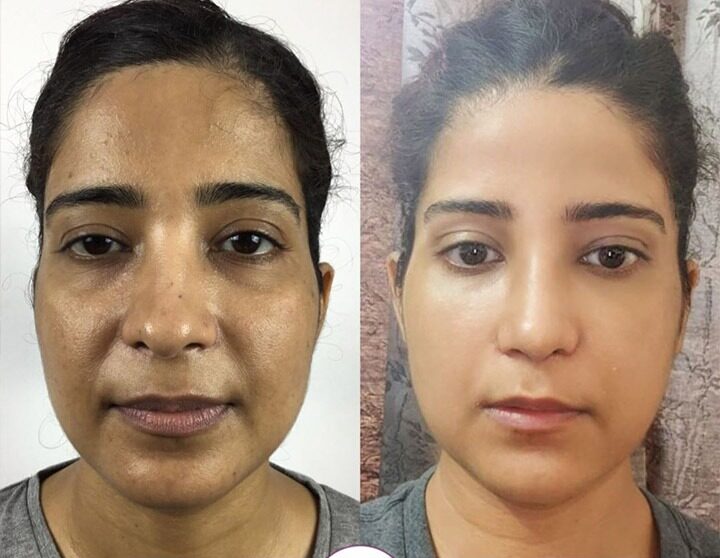
Lingual orthodontic prototype was created in 1975 for a female model with a high demand for esthetic needs due to her career in modeling.
How does it work?
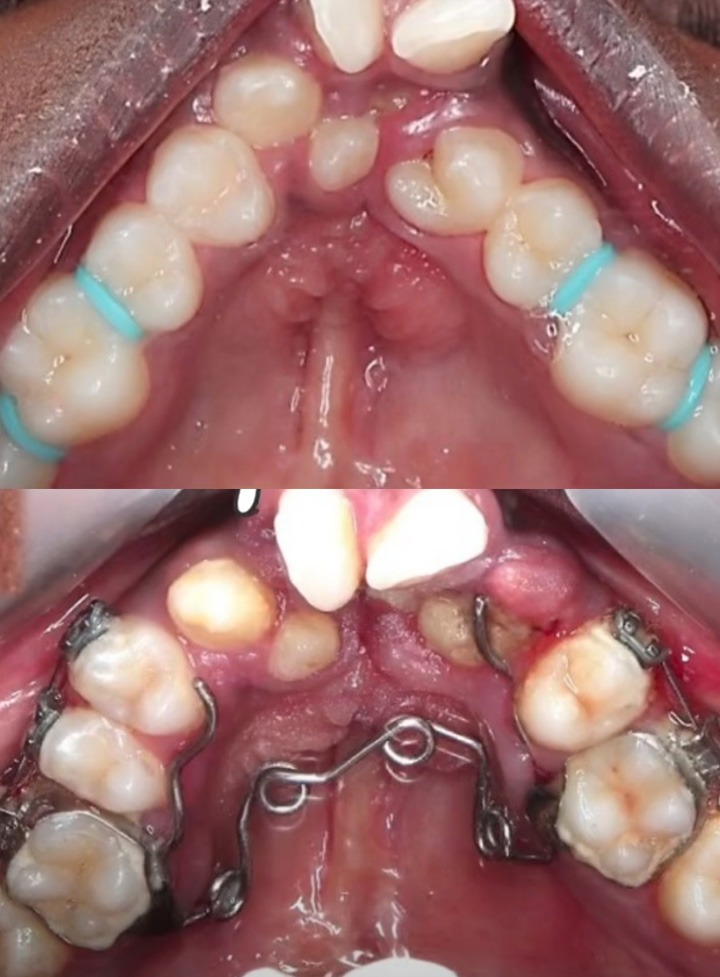
The lingual braces grab your teeth from the inside and, with the help of orthodontic wires, they move the teeth to their desired place.
Is it truly an invisible line of treatment?
Yes, it is invisible since they are placed on the inner side of your teeth; the front side of your teeth is not covered, making a truly invisible line of treatment.
Why should I get lingual braces instead of other types?
While other braces are efficient in treating your dentition, lingual brackets work effectively without letting anyone know that you are getting your orthodontic treatment done. Lingual orthodontics is particularly helpful for individuals seeking an alternative to traditional ceramic braces. If you are in a dilemma and finding it difficult to decide if you want to get treatment for your smile, fearing that you might have to go through a metallic smile for the next year, then lingual braces are the solution to all your problems.
Does it hurt? I am very sensitive to pain.
No orthodontic treatment with lingual braces is painful. In a few patients, they may feel initial discomfort due to foreign metal braces placed inside the mouth, but these sensations disappear within a few days. With the recent advances in materials and designs, lingual orthodontics brackets are refined and smooth, preventing any injury to the tongue and surrounding soft tissue.
How long will my treatment take?
Treatment time changes from person to person depending on the complexity of tooth movement. A smile treatment can go up to 6 to 8 months, but on average, it takes 10 to 12 months for complete treatment.
What is the cost?
Again, the cost differs for everyone. After you take an orthodontic consultation with our Doctors, you will be given an exact idea about your dentition and how the treatment will take place. To put it in terms of the starting price for lingual would be eighty thousand rupees.
Do I need extra treatment after braces?
No, once you are happy with your smile, we will remove your braces and clean, polish your teeth, ready for your retainers.
What are retainers?
Retainers are a part of routine lingual orthodontics treatment. They are of several types, depending on the needs of the patient; our doctors will recommend retainers. Usually, they are transparent retainers to give you the invisible treatment that you deserve.
Conclusion –
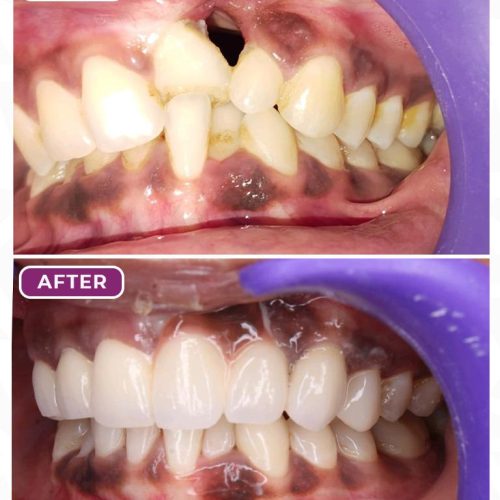
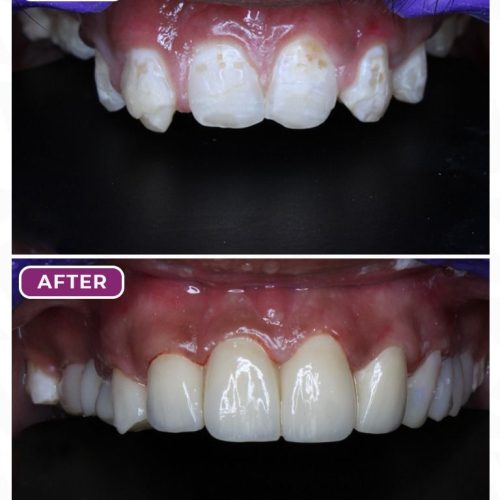
Lingual braces are ideal if you are searching for an invisible line of treatment. Lingual orthodontics can be used for simple to complicated cases with both aesthetic and functional needs. It is as effective as traditional braces while offering added benefits.