In our normal day to day life, we don’t understand the importance of the complete ability to open and close our mouth without pain. Temporomandibular Joint Ankylosis is a joint condition that significantly affects our day to day function like speech, chewing, facial development , nutrition and overall quality of life.
At our specialised craniofacial unit at Richardson Hospital in Bangalore, we just don’t RESTORE function, we REBUILD confidence, symmetry and overall quality of life.
What is TMJ Ankylosis?
TMJ ankylosis is a condition in which the mandibular condyle gets fused with the base of the skull, leading to complete or partial inability to open the mouth. The fusion can be either fibrous or bony which directly affects the ability to open mouth.
The TMJ is one of the most complex joint in our body. It is responsible for basic functions like chewing, speaking, yawning etc. When fusion of the joint occurs, these basic functions become severely compromised
One reason the TMJ stands out is its intricate design, unlike simpler joints. Because it handles movements needed for eating, talking, and opening the mouth wide, any disruption matters greatly. Should bony fusion develop within the joint, motion slows down sharply – daily actions grow difficult without warning
Causes of TMJ Ankylosis
Among typical reasons are:
Trauma
Especially in childhood that goes untreated due to no visible clinical symptoms or in cases of forceps delivery during childbirth.
Infection
Particularly middle ear infections spreading to joints due to its close proximity.
Systemic conditions
Like rheumatoid arthritis
Previous surgeries
Scar tissue or bleeding around the joint leading to joint fusion later.
In the Indian population, post-traumatic ankylosis remains the leading cause, especially in children who sustain facial injuries but do not receive timely treatment.
Among people in India, joint stiffness after trauma is most common – particularly when kids suffer face injuries without quick medical care. Though less frequent elsewhere, this outcome strikes often where delays happen in treating such wounds. Facial damage left unchecked tends to harden into fixed joints over time, mainly seen across younger groups.
Importance of early diagnosis
When TMJ ankylosis appears in kids, it stops normal development – not only movement. This condition alters facial growth because the jaw don’t grow normally. Bones shift unevenly; one side may lag behind. Function suffers, yes – but form changes too. A child’s face adapts in quiet ways, often unnoticed until differences grow clear. Movement limits are obvious early on.
Key consequences include:
- Facial asymmetry (especially in unilateral ankylosis)
- Micrognathia (underdeveloped lower jaw)
- Bird-face deformity in bilateral cases
- Speech difficulties
- Poor oral hygiene
- Nutritional deficiencies due to restricted mouth opening
- Psychological impact and reduced self-esteem
Earlier diagnosis leads to improved results, especially when treatment begins during childhood development. Though timing matters most, young patients often benefit the most from swift medical response. Because growth periods heighten sensitivity, catching symptoms early makes a critical difference.
Clinical Features of Temporomandibular Joint Ankylosis
Patients with TMJ ankylosis often present with:
- Difficulty in mouth opening-either complete or partial
- Difficulty in chewing, speaking, swallowing etc.
- Severely retruded lower jaw
- Gross facial asymmetry.
- Poor oral hygiene due to the inability to open the mouth
Clinical examination along with radiographic findings helps us devise the accurate surgical treatment plan.
Classification
Most times, the classification of TMJ ankylosis depends on these features:
TMJ ankylosis is commonly classified based on:
1. Tissue Involvement
- Fibrous ankylosis – less severe, some minimal movement may be present
- Bony ankylosis – complete fusion with no movement
2. Extent
- Intra-articular – confined within the joint
- Extra-articular – involving surrounding structures
3. Laterality
- Unilateral – affecting one side
- Bilateral – affecting both joints (more severe functional impairment)
Treatment Principles
The management of TMJ ankylosis is primarily surgical, and the goals are clear:
- Release the ankylosed mass
- Restore joint function and mouth opening
- Prevent recurrence
- Correct facial deformity (if present) 5. Enable normal growth in children
Surgical Options
1. Gap Arthroplasty
This involves removing the ankylosed or fused bone to create a gap between the skull base and mandible.
- Simple and effective
- Risk of recurrence if not combined with interpositional material
2. Interpositional Gap Arthroplasty
After removing the ankylotic mass, a material is placed between the joint surfaces to prevent re-fusion.
Common interpositional materials include:
- Temporalis muscle/fascia
- Dermis or fat grafts
- Alloplastic materials
This technique has shown lower recurrence rates as compared to gap arthroplasty alone.
3. Costochondral Graft Reconstruction
A Costochondral or rib graft is used to reconstruct the mandibular condyle, especially in children.
- Has growth potential, making it ideal for pediatric patients
- Technically demanding
- Risk of overgrowth or resorption
4. Alloplastic TMJ Replacement
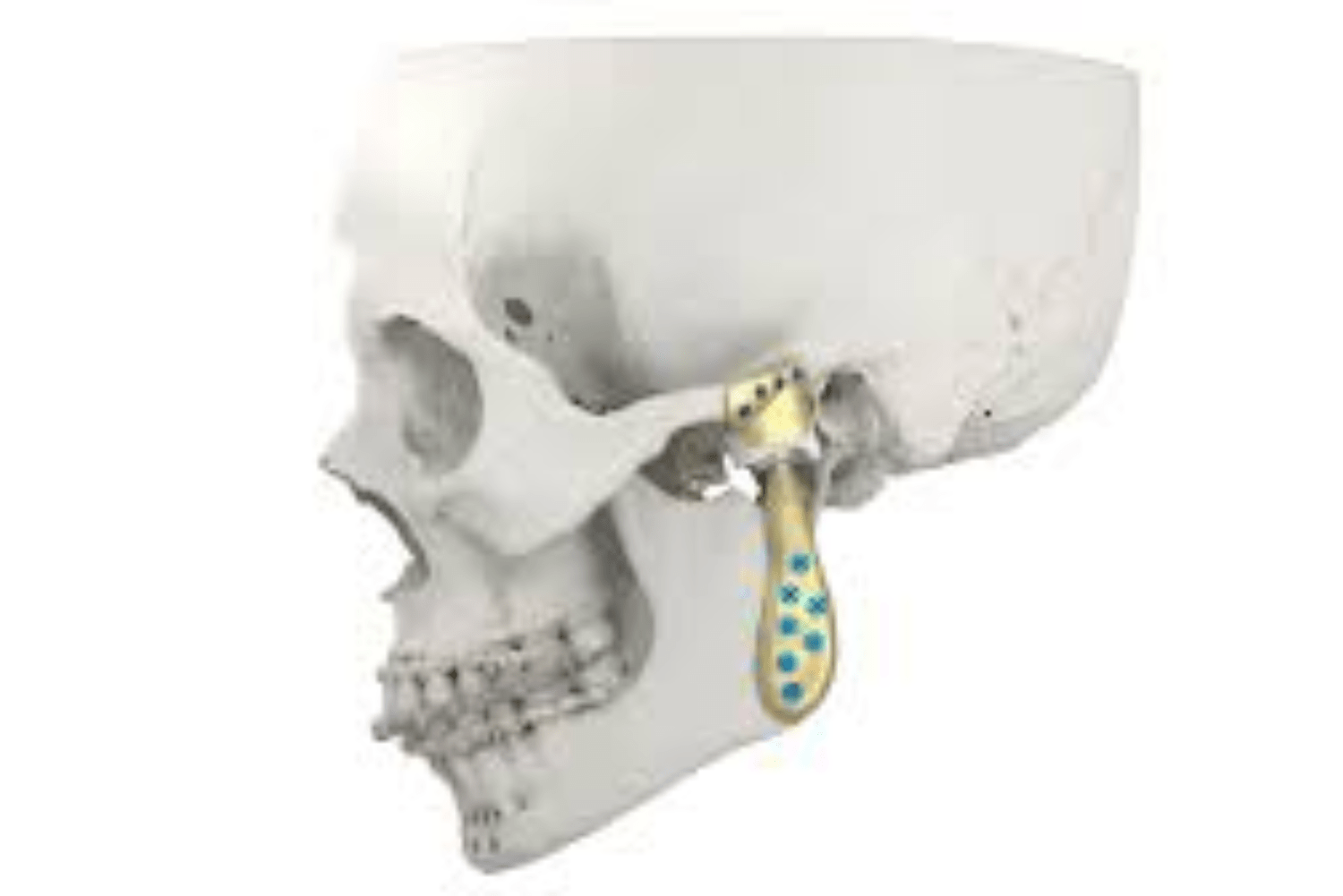
In selected cases, especially adults or recurrent ankylosis, custom-made TMJ prostheses are used.
Advantages include:
- Immediate restoration of joint function
- No donor site morbidity
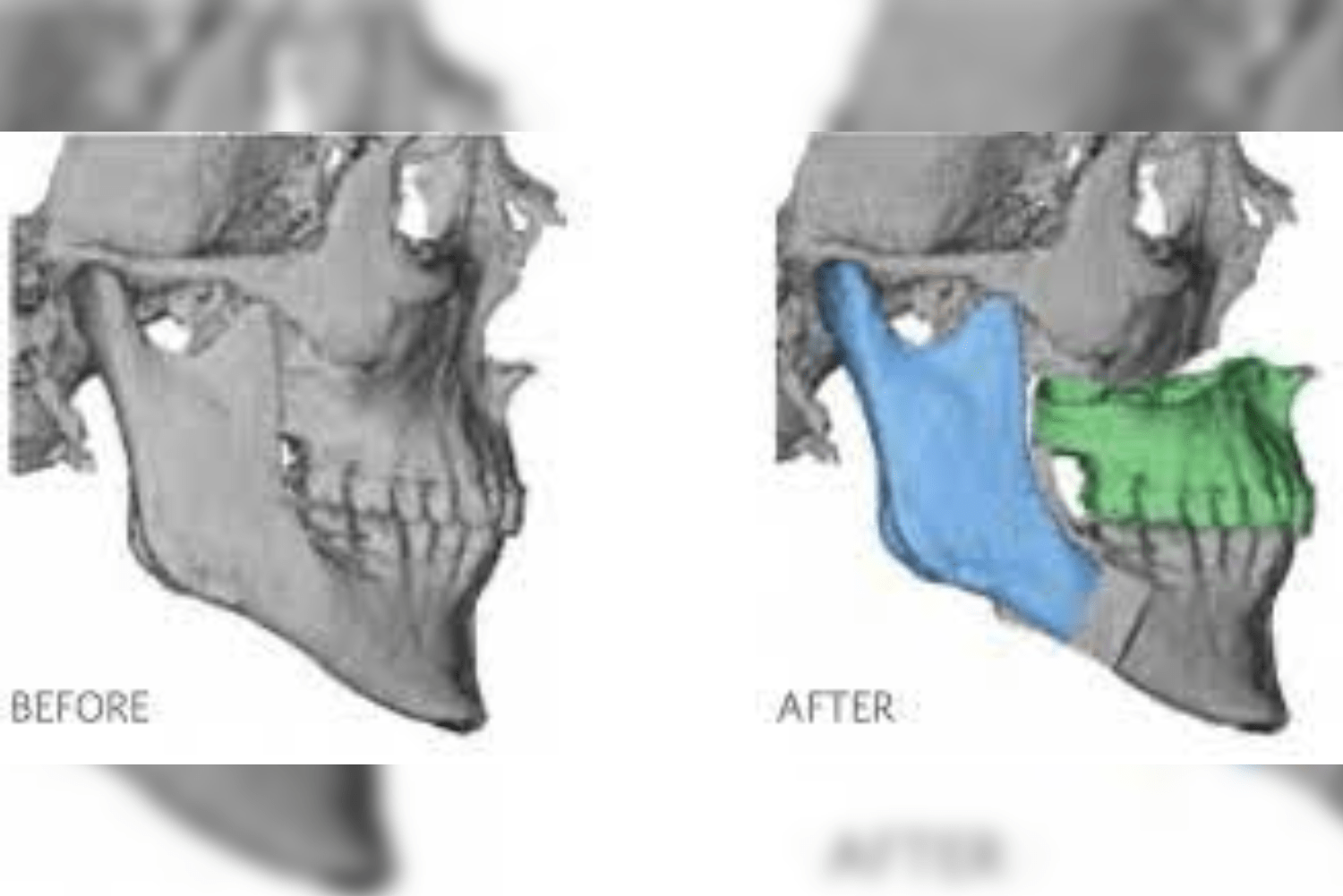
- Precise anatomical fit due to presurgical 3D planning and CAD-CAM technology
This recent advancement is increasingly becoming the gold standard in complex and revision cases.
Role of Digital Planning and 3D Technology
Modern TMJ ankylosis management has been revolutionized by:
- Virtual Surgical Planning (VSP)
- 3D printing of anatomical models
- Custom cutting guides and prostheses
Software platforms like NemoFab allow surgeons to:
- Accurately assess deformities
- Simulate osteotomies
Postoperative Care
Physiotherapy being the most important.
Patients are advised to:
- Start early jaw exercises (often within days of surgery)
- Use devices like jaw stretchers or openers
- Maintain strict follow-up schedules
Left untreated, joint stiffness often returns. Recovery slows without guided movement exercises.
Managing Facial Deformity
Inspite of primary treatments, patients often require secondary surgeries like-
- Orthognathic surgery
- Genioplasty
- Distraction osteogenesis
Difficulties in Treating TMJ Ankylosis
Even with progress, treating TMJ ankylosis remains difficult because of:
- High risk of recurrence
- Complexity of surgery
- Need for long-term follow-up
- Patient compliance with physiotherapy
Gallery
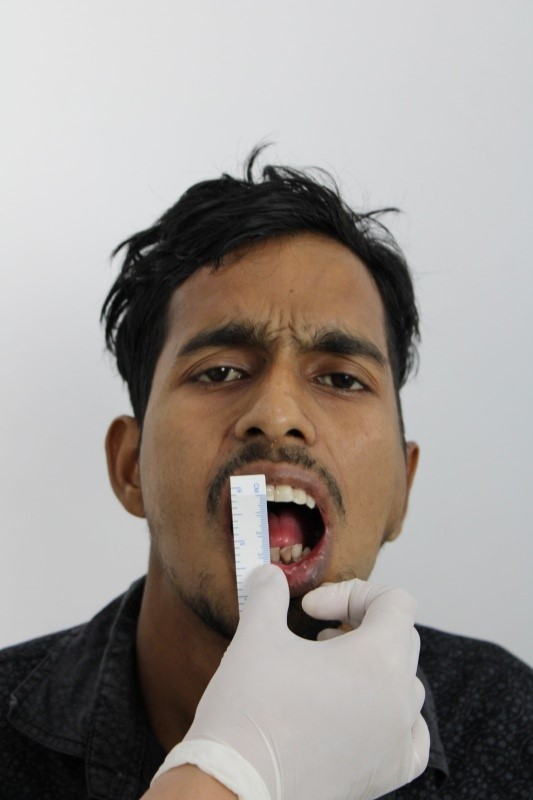
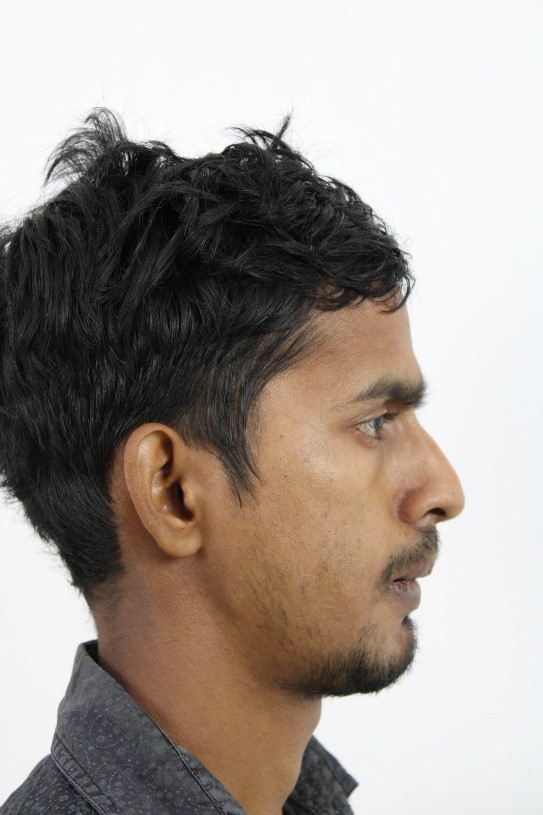
Pre-Op: Bilateral Temporomandibular Joint Ankylosis
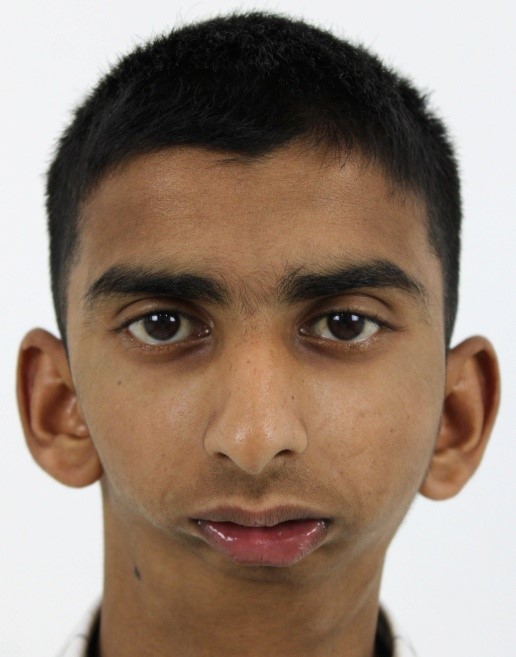
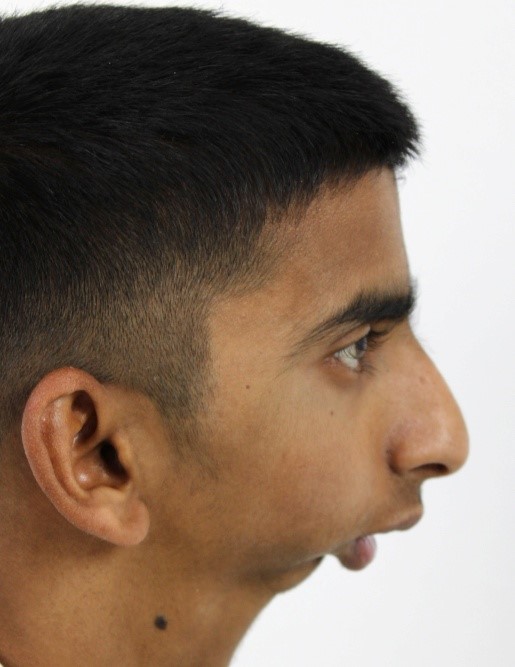
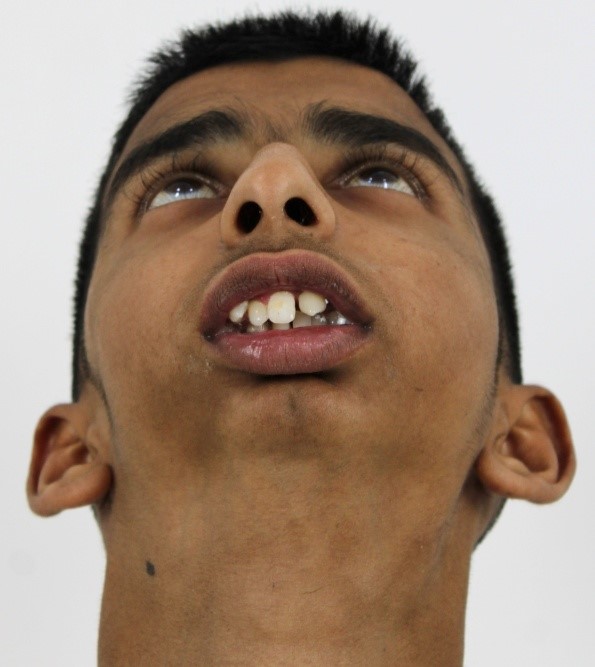
Pre-Op: Bilateral Temporomandibular Joint Ankylosis
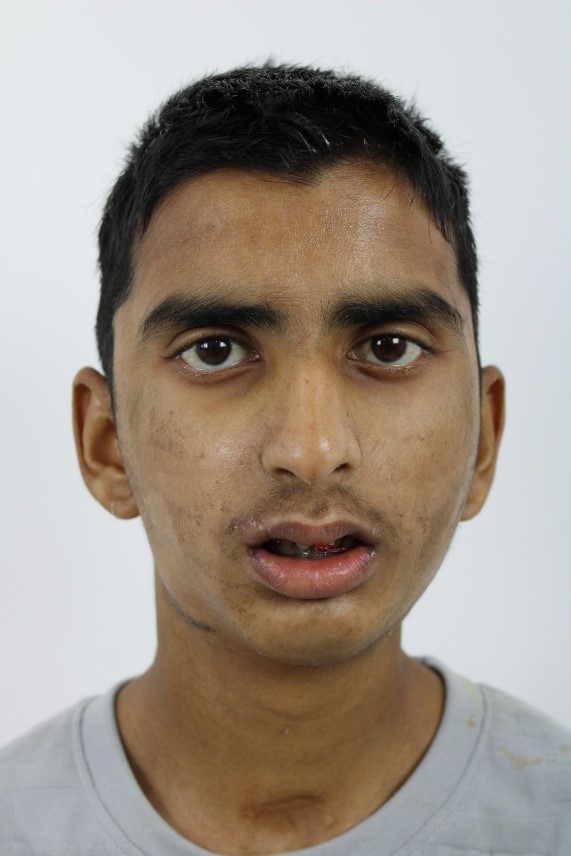
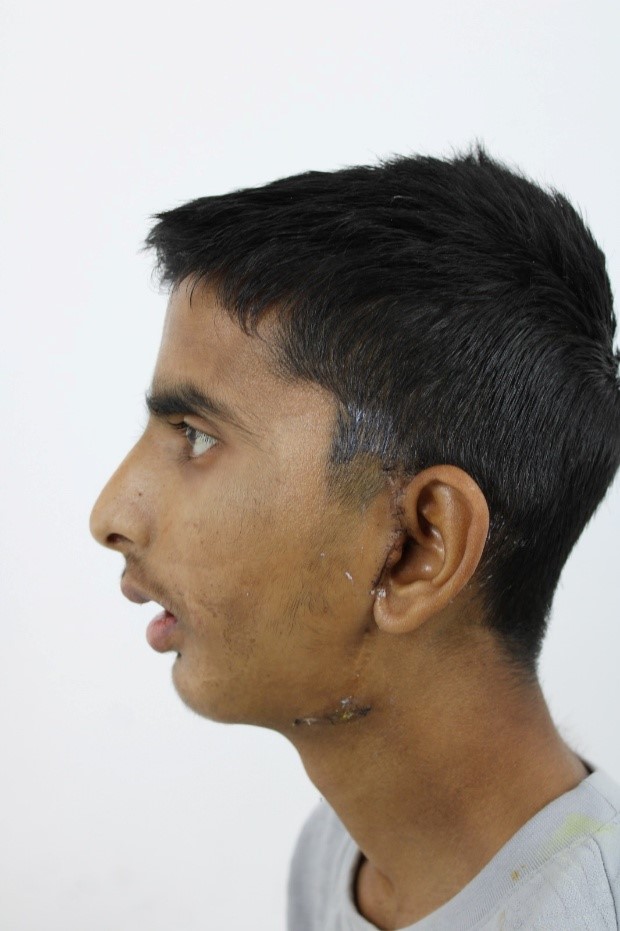
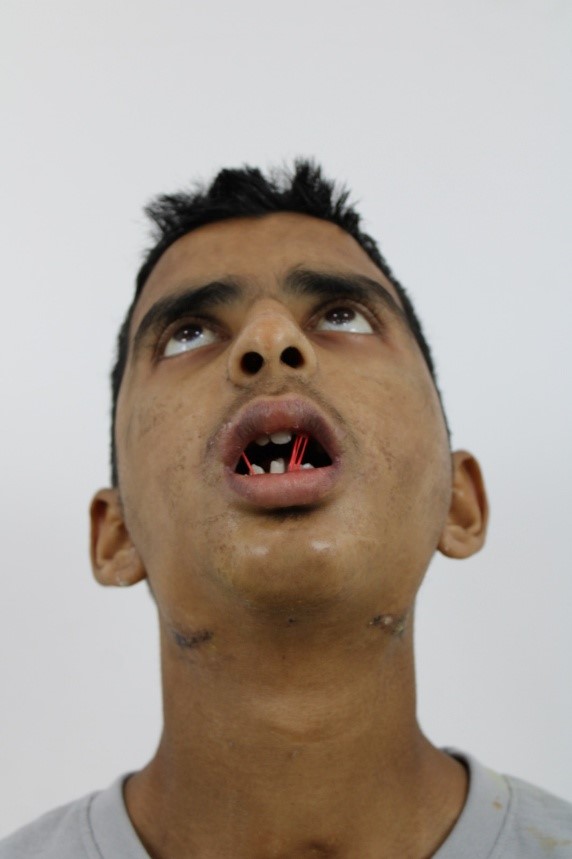
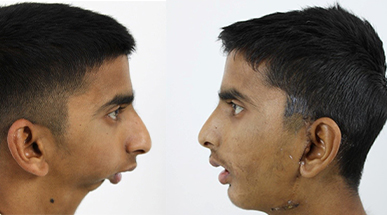
Pre-Op: Left Sided Temporomandibular Joint Ankylosis
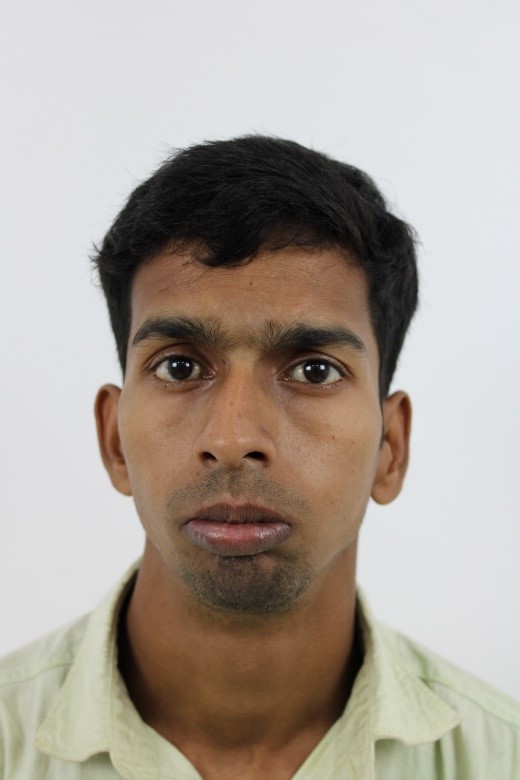
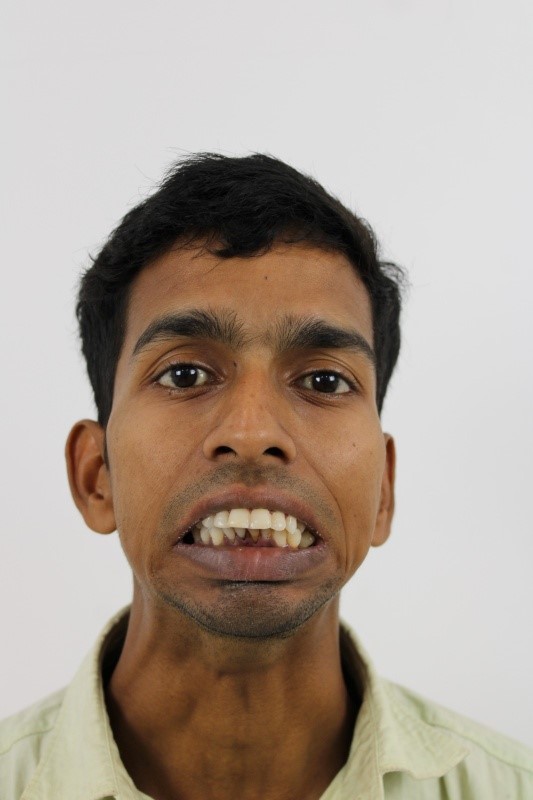
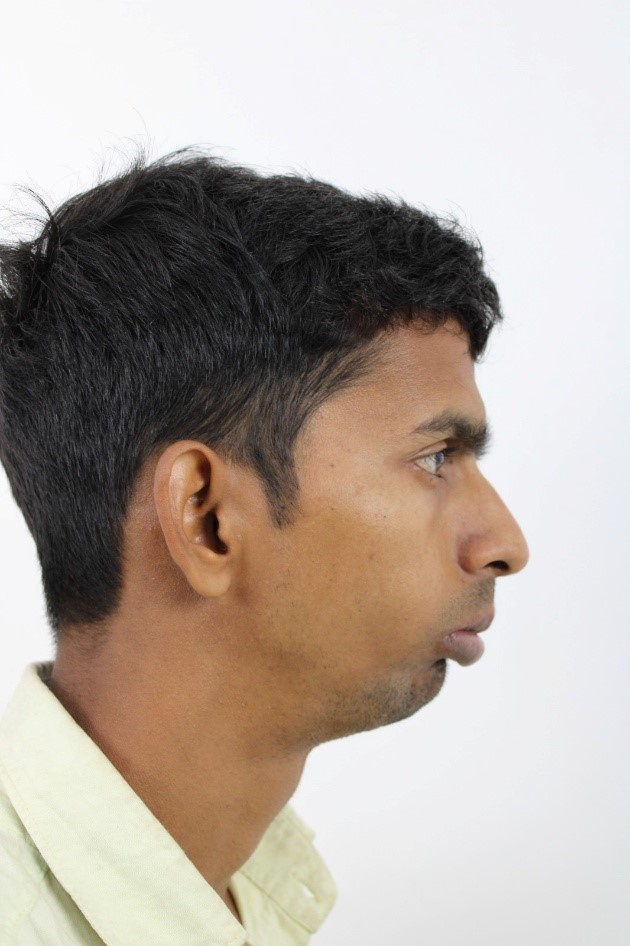
Post-Op: Left Sided Temporomandibular Joint Ankylosis

Conclusion
Temporomandibular Joint Ankylosis is a grave disorder which can greatly affect the patient’s growth , function , confidence and overall quality of life. With the current advancements and latest technologies, along with an accurate patient selection, it is possible to improve the patient’s well being all together.
With early intervention, expert surgical skill, patient compliance to rehabilitation, success is not far.