Introduction
Dental implants are the greatest remedy for tooth loss. Problems with missing teeth can arise for a variety of reasons, including caries, trauma, periodontal disease, bruxism, calcium deficiency, and many more.
Replacement of a lost tooth provides a permanent solution because it is a fixed prosthesis that also aids in restoring function and aesthetics similar to natural teeth.
Dental Implants: What Are They?
Titanium alloys are the main components of dental implants. They have the highest success rate because of their biocompatibility, or reduced likelihood of rejection by the body. Problems with missing teeth can be effectively addressed with dental implants due to their durability and functionality.
-
Everlasting – Excellent osseointegration property that helps the implant remain permanently attached to the underlying bone.
-
Fracture Resistance – Natural ability to perform daily chewing and biting routines.
-
High Corrosion Resistance
-
Hardness – Decreases the incidence of wear of implant material.
-
Toughness – Prevents fracture of implants.
How To Decide If Implants Are Right for You?
If you are facing problems with missing teeth, dental implants might be the ideal solution. You may be a good candidate for implants if you:
-
Desire to restore a single or multiple missing tooth/teeth.
-
Have congenital missing teeth.
-
Are unable to wear dentures/removable prosthesis.
-
Are unwilling to proceed with bridge treatments as they may cause damage to adjoining teeth.
Journey to an Implant: Step-by-Step Process
If you’re experiencing problems with missing teeth, here’s what to expect during your implant journey:
-
Consultation – A thorough initial checkup by the doctor.
-
Extensive Examination – Covers health concerns, medical history, past procedures, and a detailed treatment plan discussion.
-
Investigations – Dental X-rays & scans to assess bone density, jawbone availability, and the need for bone grafts. Scans also help identify important structures like sinuses & nerves to ensure a safe procedure.
Types of Dental Implants: Finding the Right Fit
If you’re facing problems with missing teeth, here are different types of implants that can restore your smile:
-
Endosteal Implants – Placed inside the jawbone, these titanium screws hold one or more prosthetic teeth.
-
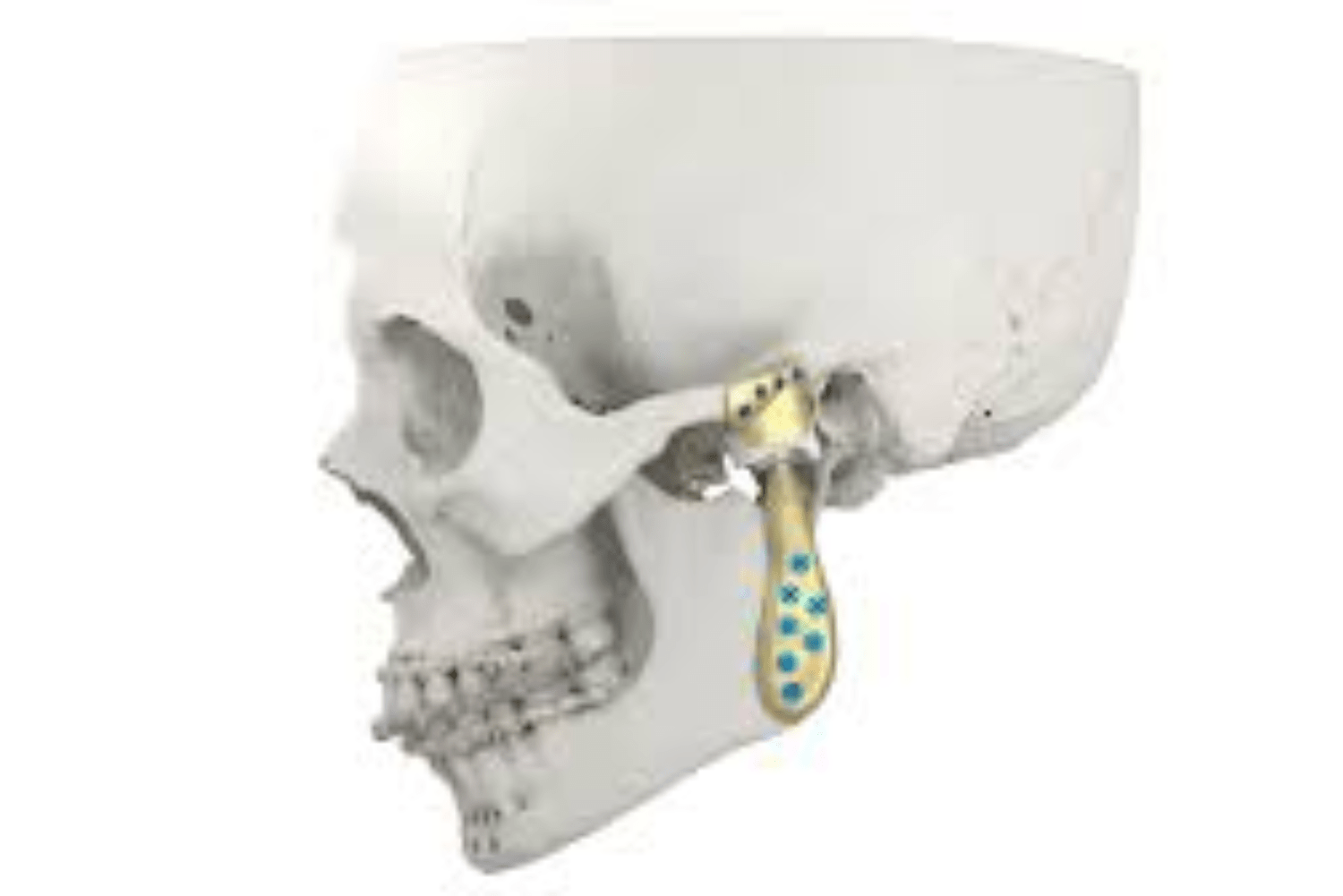
Subperiosteal Implants – A metal framework placed on the bone, ideal for those with severe bone loss where grafting isn’t an option.
-
All-on-Four Dental Implants – Uses four implants per jaw, offering a fixed alternative to dentures.
-
Implant-Supported Bridges – Ideal for replacing multiple missing teeth when bone support is insufficient.
-
Implant Over Denture – Similar to removable dentures but supported by implants, providing better stability and retention.
-
Zygomatic Implants – A great solution for extensive bone loss, eliminating the need for bone grafts while ensuring immediate restoration.
Step-by-Step Guide to Dental Implant Surgery
If you’re dealing with problems with missing teeth, here’s what to expect during an implant procedure:
- Vital Checkup – Ensuring stable health before the procedure.
- Anesthesia Administration – Local anesthesia is given for a painless experience.
- Incision & Preparation – A small incision is made to access the tooth socket, followed by precise drilling into the bone.
- Implant Placement – The implant is securely placed in the prepared socket.
- Cover Screw Attachment – Protects the implant during the healing process.
- Suturing – The incision is closed to promote healing.
- Healing Phase (3–6 Months) – The cover screw is replaced with a healing cap to aid gum tissue recovery.
- Abutment Placement – Acts as a supportive structure for the final crown.
- Final Crown Measurement & Delivery – A permanent crown is custom-made for a natural fit for the problems with missing teeth.
- Temporary Crowns (If Needed) – These can be placed in the meantime to restore function with minimal force.
Post-Surgery Care for a Quick Recovery
Proper aftercare is crucial for healing after a dental implant procedure, especially if you’re addressing problems with missing teeth. Follow these steps for a smooth recovery:
- Avoid Rinsing – Do not rinse for the first 24 hours.
- Control Bleeding – Bite on the gauze placed in your mouth.
- Reduce Swelling – Apply an ice pack every 15–20 minutes.
- Maintain Oral Hygiene – Brush twice daily but avoid electric toothbrushes and water flossers.
- Use Mouthwash – Rinse with chlorhexidine mouthwash.
- Be Gentle with Eating – Stick to soft foods and avoid crunchy or hard foods.
- Avoid Smoking & Alcohol – These can slow down the healing process.
- Follow Medication Instructions – Take prescribed drugs as directed by your doctor.
Advantages of Dental Implants
Dental implants are a permanent solution for problems with missing teeth, offering both functional and aesthetic benefits:
- Restores Tooth Structure & Function – Provides a natural feel and function.
- Long-Lasting – With proper care, implants can last a lifetime.
- Protects Neighboring Teeth – Unlike bridges, implants don’t rely on adjacent teeth for support.
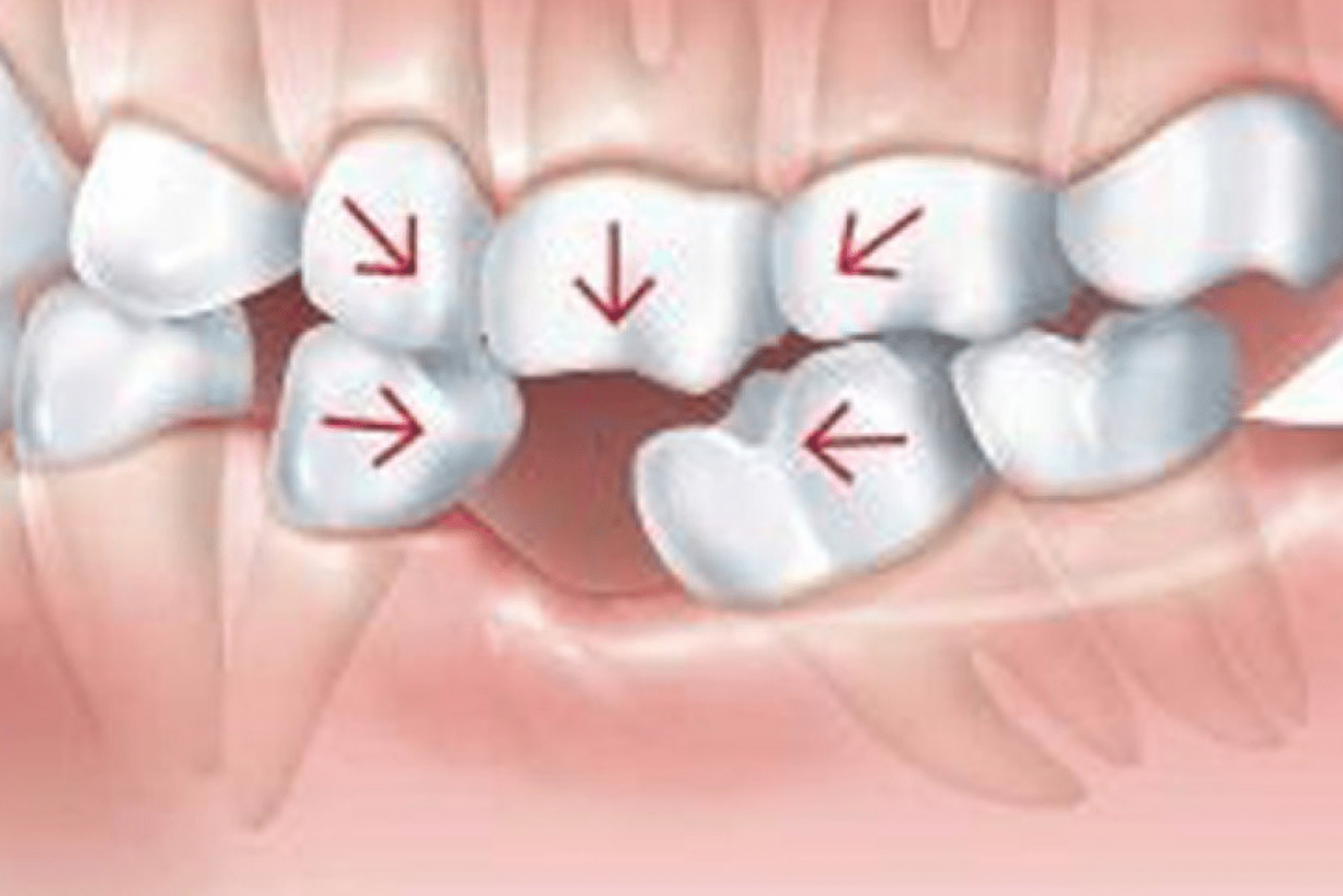
- Prevents Teeth Shifting – Maintains arch length and prevents teeth from drifting.
- Prevents Bone Loss – Helps preserve jawbone density and structure.
- Restores Bite Force – Allows normal chewing without discomfort.
- Enhances Aesthetics – Improves appearance, boosting confidence.
- Improves Quality of Life and enhances speech, comfort, and overall oral health.
Frequently Asked Questions About Dental Implants
1) Is the implant surgery painful?
No, local anesthesia numbs the area, so you may feel pressure but no pain.
2) Can the body reject implants?
In rare cases, rejection can occur due to poor osseointegration, infection, or inadequate bone structure.
3) Is it a lengthy procedure?
No, it is a minor oral surgery that doesn’t take long.
4) Will my implant stand out from my natural teeth?
No, implants look and feel just like natural teeth.
5) Can implants develop cavities?
No, implants cannot get cavities, but poor oral hygiene can lead to infections around them.
6) Is this a detachable prosthesis?
No, dental implants are fixed and rarely become dislodged.
7) Do implants require special care?
Regular brushing and flossing are sufficient for maintenance if you have problems with missing teeth.
8) What are bone grafts?
Bone grafts help strengthen the jawbone and can come from your own body, human tissue banks, or animal sources.
9) How can I prevent implant failure?
- Maintain good oral hygiene to prevent infections.
- Take care of remaining teeth to avoid excess stress on implants.
- Manage health conditions like diabetes and osteoporosis.
- Avoid grinding teeth, which can damage the implant.
- Quit smoking to reduce implant failure risk.
10) Should I wait to get implants after tooth extraction?
No, implants can be placed immediately or even years after extraction if the bone is healthy.
11) Can implants harm my existing teeth and gums?
No, implants actually help restore structural integrity and improve dental health.
12) Is there an age limit for dental implants?
No upper age limit; implants can be placed once skeletal growth is complete.
Dental implants are a permanent solution for problems with missing teeth, ensuring long-term oral health and function.