Introduction
Working in a dedicated craniofacial unit exposes us to some of the most challenging yet rewarding surgical cases in maxillofacial surgery. Among these, orthognathic surgery for congenital craniofacial syndromes being one of the most difficult. These procedures aims at the many aspects of reconstructive journey with prime emphasis on form and function.
With a multidisciplinary approach by our craniofacial team, orthodontists and dental team, we are able to achieve correct jaw alignment, improved occlusion and overall symmetry of the face. The most common syndrome that we generally encounter are:
- Hemifacial Microsomia
- Golden-har syndrome
- Cleft lip and palate- related deformities
- Parry Romberg syndrome
- Crouzon Syndrome
- Binders Syndrome
Hemifacial Microsomia and Goldenhar Syndrome
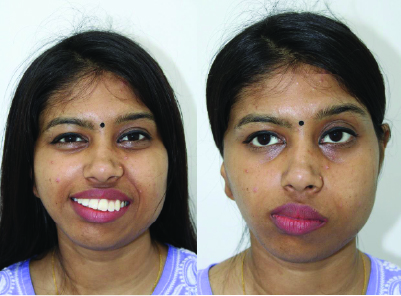
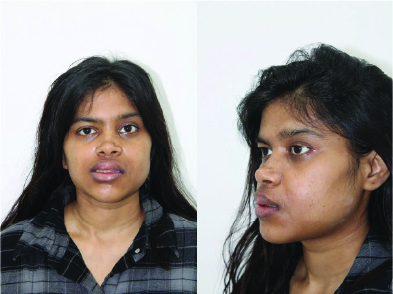
Hemifacial Microsomia is a congenital condition where one side of the face is under developed. It is the second most common birth defect due to abnormal first and second branchial arch development during pregnancy. Most common features are under developed jaws, ear, abnormalities, and facial asymmetry. Another common feature that is present in HFM is abnormality of soft tissue/fat/muscle.
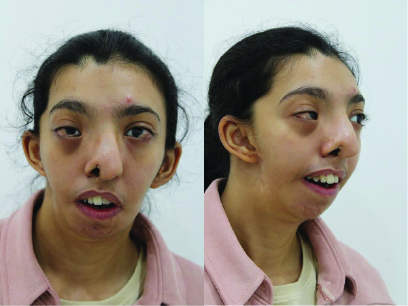
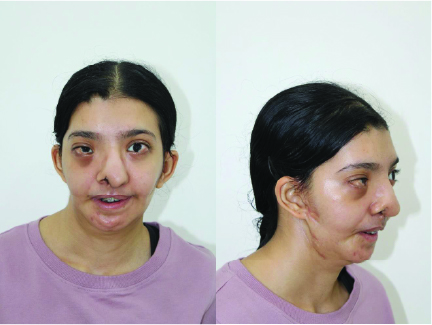
Goldenhar Syndrome, also known as oculo-auriculo-vertebral spectrum syndrome is present in the expanded spectrum of HFM. Along with facial asymmetry, patients generally have eye, ear and vertebral issues. Most of the patients have undergone surgeries in childhood, still residual asymmetry persists. For these residual deformities, orthognathic surgeries play a vital role.
Orthognathic surgery in these patients requires extremely precise planning. The surgical approach often includes:
- Le Fort I osteotomy to correct maxillary cant and occlusal plane discrepancy
- Mandibular advancement or rotation to improve facial symmetry
- Genioplasty for chin repositioning
- PEEK implant and fat grafting
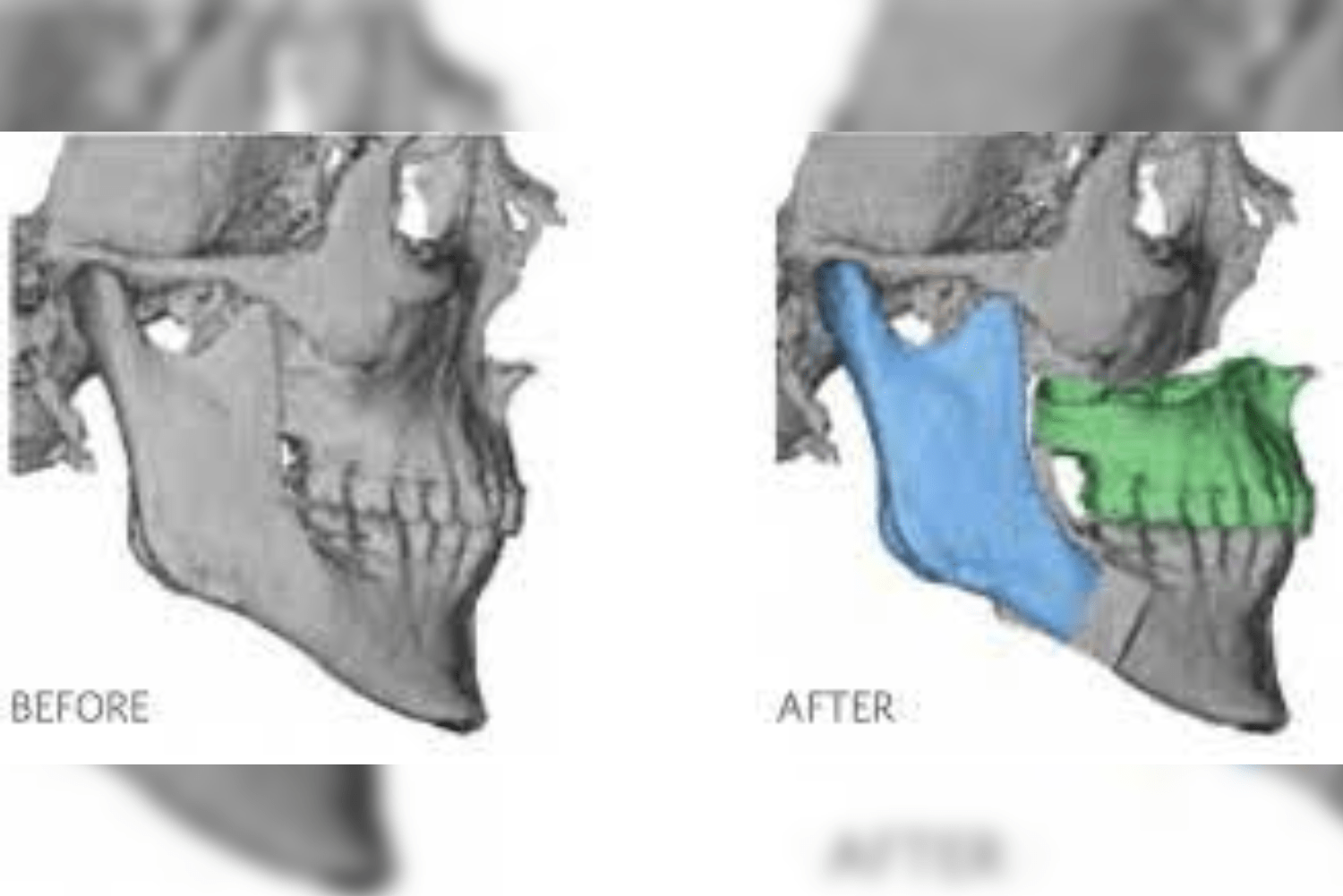
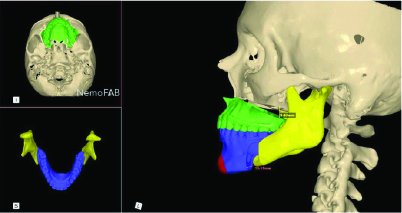
One aspect that has significantly enhanced the management of such asymmetric deformities is digital surgical planning. In our unit, planning often begins with three-dimensional CT analysis, followed by simulation of osteotomies using virtual planning platforms such as NemoFab.
Hemifacial Microsomia
Golden-Har Syndrome
Cleft Lip and Palate Deformities
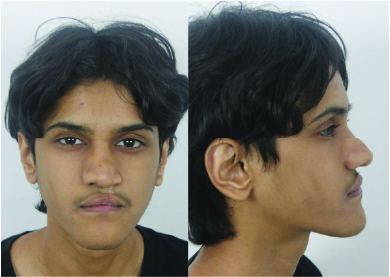
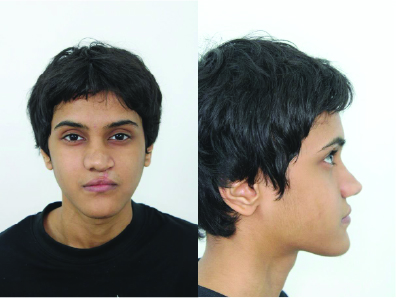
Patients with cleft lip and palate represent another major group undergoing orthognathic surgery in craniofacial centers. Due to early surgical repairs and scar tissue formation, many of these patients develop maxillary growth restriction.
This results in:
- Midface deficiency
- Class III malocclusion
- Concave facial profile
- Dental crowding and crossbite
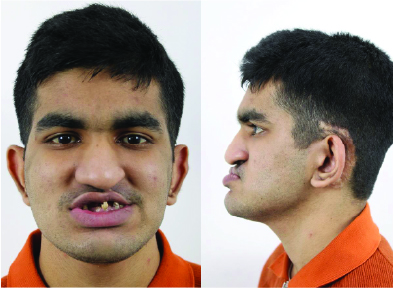
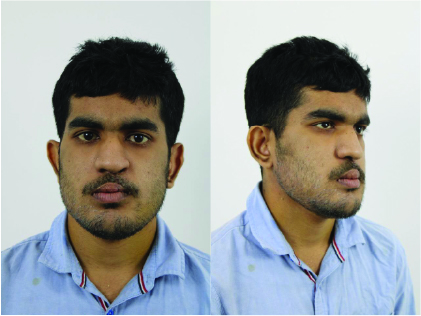
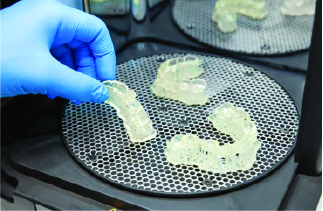
Patients with Cleft Lip and Palate Deformities often present with maxillary hypoplasia, i.e, the upper jaw is retruded and the lower jaw is forward. To correct these deformities, the most commonly performed procedures are for LeFort 1 osteotomy, Anterior maxillary distraction and bi-jaw surgery with concomitant genioplasty. After visualising the skeletal discrepancies, a team approach is incorporated. Post precise, clinical judgement 3-D planning is done and surgical splints are fabricated, which translates the virtual plan to precise intraoperative positioning.
Case #1
Case #2
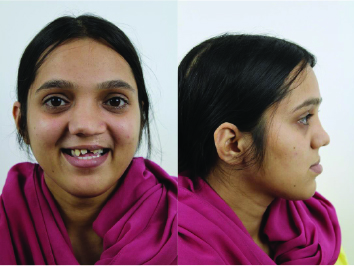
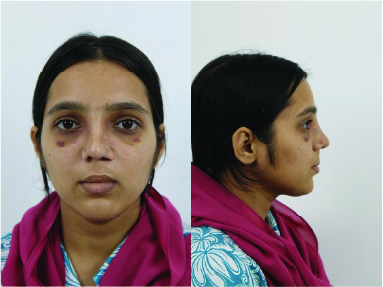
Case #3
Parry-Romberg Syndrome (Progressive Hemifacial Atrophy)
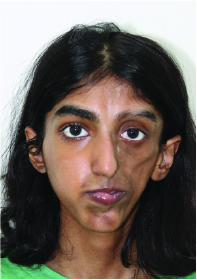
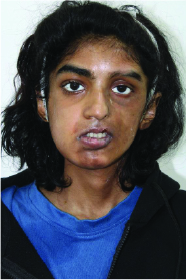
Another unique condition occasionally encountered in craniofacial practice is Parry-Romberg syndrome, also known as progressive hemifacial atrophy. Unlike developmental syndromes such as hemifacial microsomia, this condition is characterized by gradual atrophy of facial soft tissues and, in some cases, underlying bone.
Patients often present with:
- Progressive facial asymmetry
- Soft tissue volume loss
- Skeletal deficiency on the affected side
Managing these cases requires a combination of skeletal and soft tissue reconstruction. Orthognathic surgery may be indicated when skeletal discrepancies contribute significantly to asymmetry.
However, correction often extends beyond jaw repositioning.
Treatment varies as-
- Fat grafting
- Dermal fillers or free tissue transfer
- Orthognathic skeletal correction
- Peek Implants
These cases are a perfect example of hard and soft tissue correction.
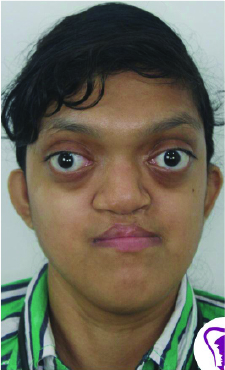
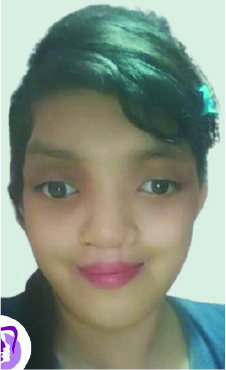
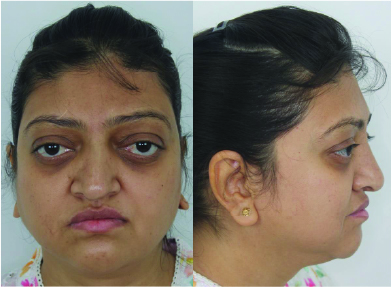
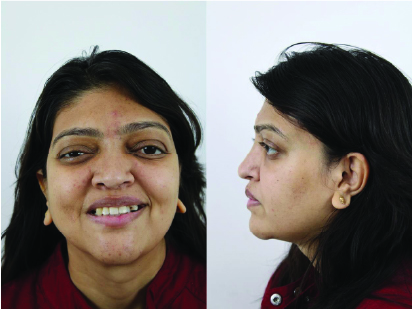
Crouzon Syndrome
It is a rare genetic which involves premature fusion of cranial bones, widely spaced or bulged eyes and retruded upper jaw or maxillary hypoplasia.
The accurate treatment modalities for this syndrome is
- Orthognathic surgery-Lefort osteotomies with Bilateral Sagittal split osteotomies.
- Concomitant genioplasty
- Lefort 3 Distraction Osteogenesis.
Case #1
Case #2
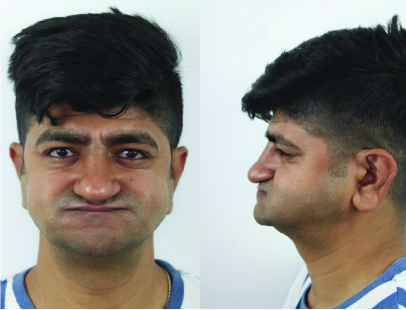
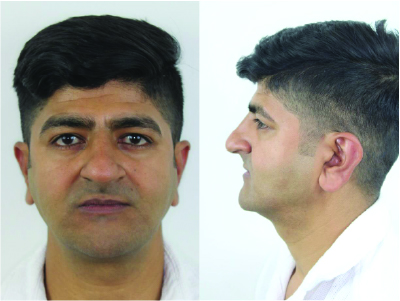
Binders Syndrome
In this syndrome, the patient presents with a severely retruded upper jaw which gives a sunken face appearance.
After careful clinical evaluation, Virtual surgical planning is executed and the following treatment modalities are presented-
- Bijaw or Single jaw surgery
- Concomitant genioplasty
- Concomitant Rhinoplasty
Digital Planning & 3-D Printing
One of the most helpful tool we use in planning our surgeries is digital planning and 3-D printing software. In complex syndromic cases, manual planning can be challenging. With the use of current technologies, we ensure precise outcome.
Digital platforms allow surgeons to analyze deformities in three dimensions and simulate planned corrections with remarkable accuracy.
In our craniofacial workflow, planning typically involves:
- 3D CT-based skeletal analysis
- Virtual osteotomy simulation using NemoFab
- Assessment of occlusion and facial balance in the digital environment
- Fabrication of 3D-printed surgical splints or models
The integration of Digital technology and experienced surgical expertise is the key to the understanding of craniofacial anatomy and its surgical biomechanics. This article reinforces the importance of planning before performing.
Orthognathic surgery , when intergrated with the current technology has the power to transform lives.