How Stress Impacts Our Health
What is common among rapid aging, heart diseases, metabolic syndrome, psoriasis, autoimmune diseases, mental health issues, adult acne, and even cancer? Stress!
Stress is truly a multitasker when it comes to destroying your physical, mental, and aesthetic health. Unfortunately, modern human life is covered in a stressful environment. It starts right at the beginning of life—stress of scoring good grades in childhood, social stress, stress of college placement, workplace stress, and financial burdens like EMI payments. Additionally, for many people, family isn’t always a safe space, and some of the most intense stressors come from family environments, leading to trauma.
There are also minute stressors, like traffic jams, which cause temporary stress. But these daily stressors are unavoidable.
What Happens to Our Body Under Chronic Stress?
To understand this, let’s first look at the physiology of stress. Whenever our brain detects a stressful situation, it activates the fight-or-flight response. This triggers the release of hormones like adrenaline and cortisol. These hormones:
-
Keep the brain alert
-
Increase heart rate
-
Accelerate breathing
-
Increase glucose uptake for energy
-
Pause digestion
-
Pump sugar and oxygen into muscles
This response, developed over billions of years, is crucial in life-threatening situations (like running from a predator). However, it serves little purpose when we stress over daily life events like a traffic jam or scrolling social media. Frequent activation of this response leads to high blood pressure, elevated blood sugar, increased risk of heart attack, brain fatigue, and excess fat deposits. Over time, these damages accumulate, leading to obesity, diabetes, hypertension, and chronic heart conditions.
Stress Affects Your Skin, Hair, and Teeth
Skin and hair are mirrors of internal health. That’s why chronic stress often results in hair loss, sagging skin, and premature aging.
-
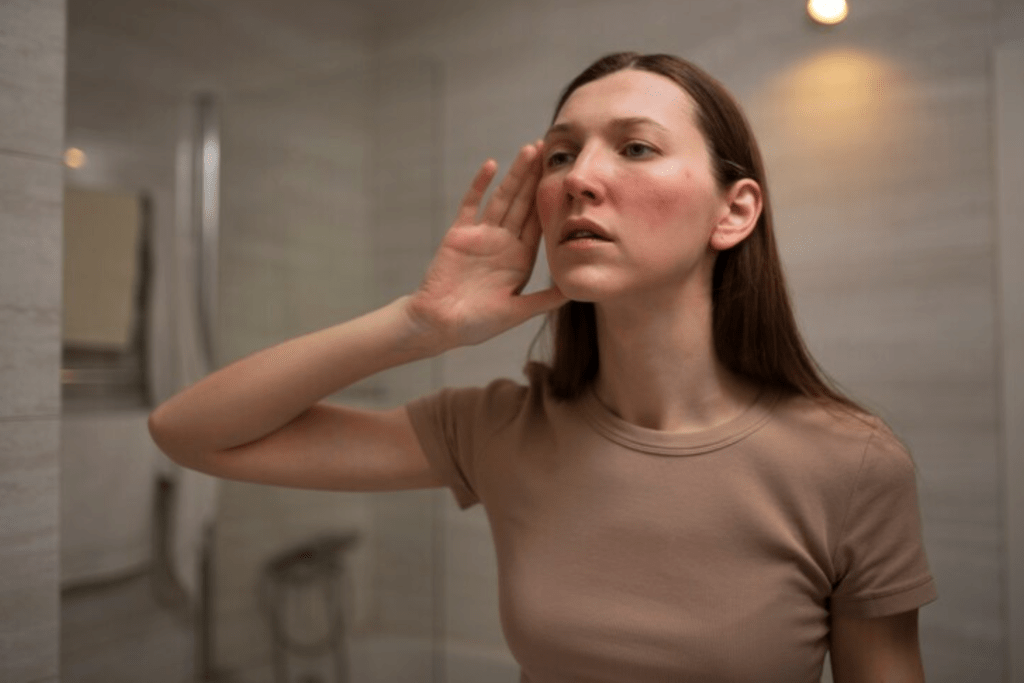
Skin: Stress hormones disrupt the skin’s natural rejuvenation cycle and increase oxidative damage, leading to collagen loss. This weakens the skin barrier, causing dryness, acne, sensitivity, eczema, and premature wrinkles.
-
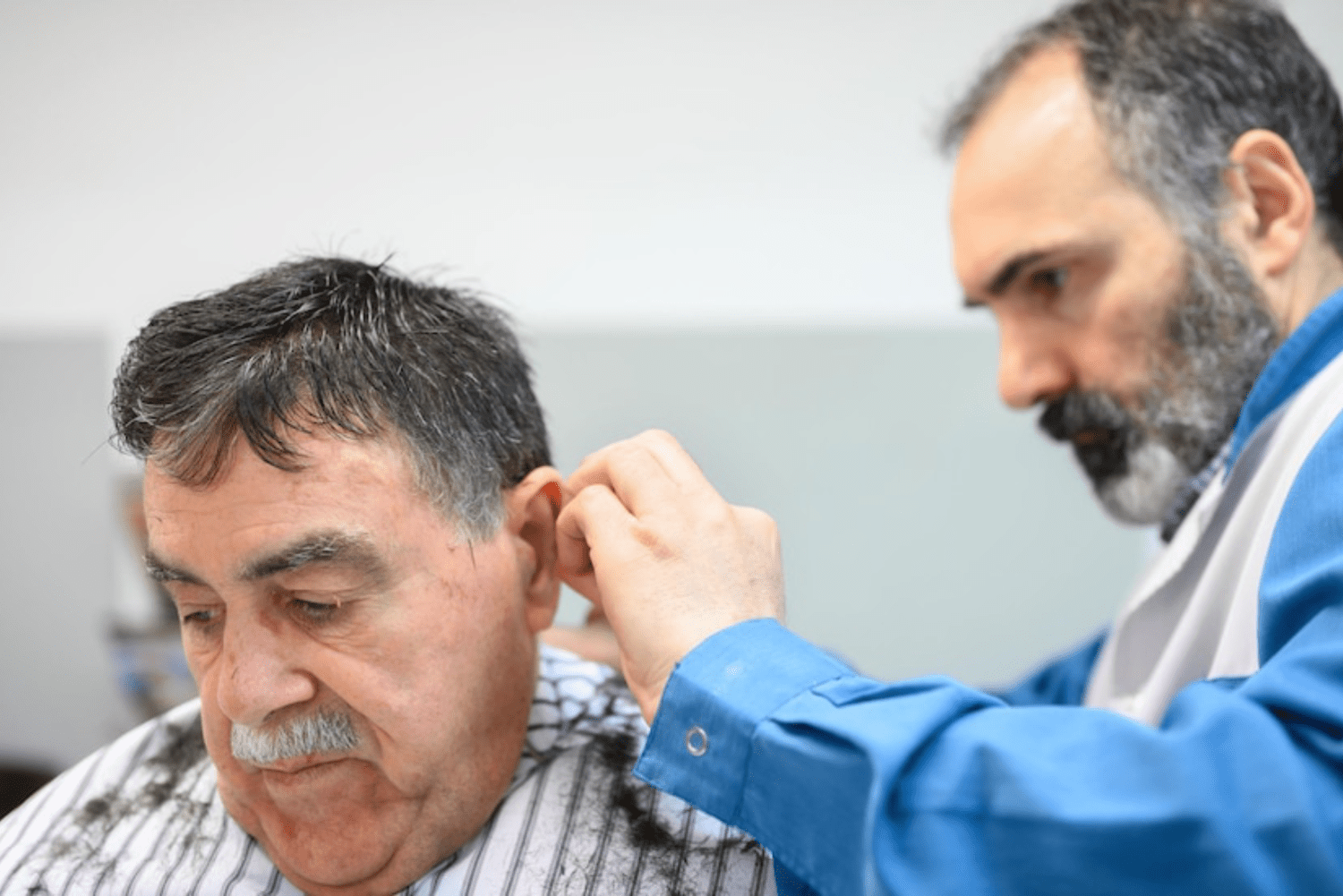
Hair: Stress-related inflammation and reduced microcirculation around hair follicles can trigger conditions like alopecia areata and early greying due to melanocyte damage. Many experience acute telogen effluvium (severe hair loss) after stressful events like COVID-19 or dengue infections.
-
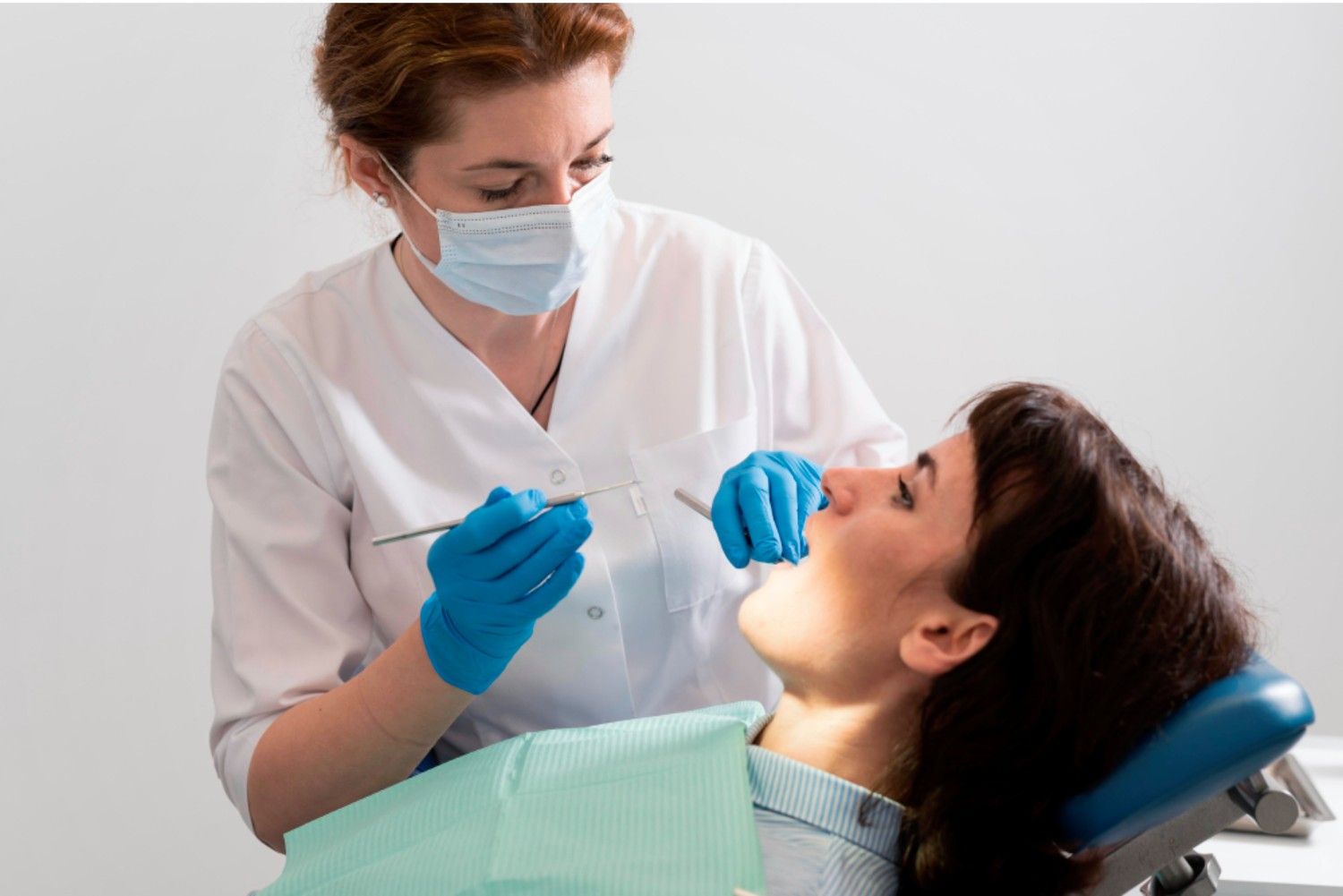
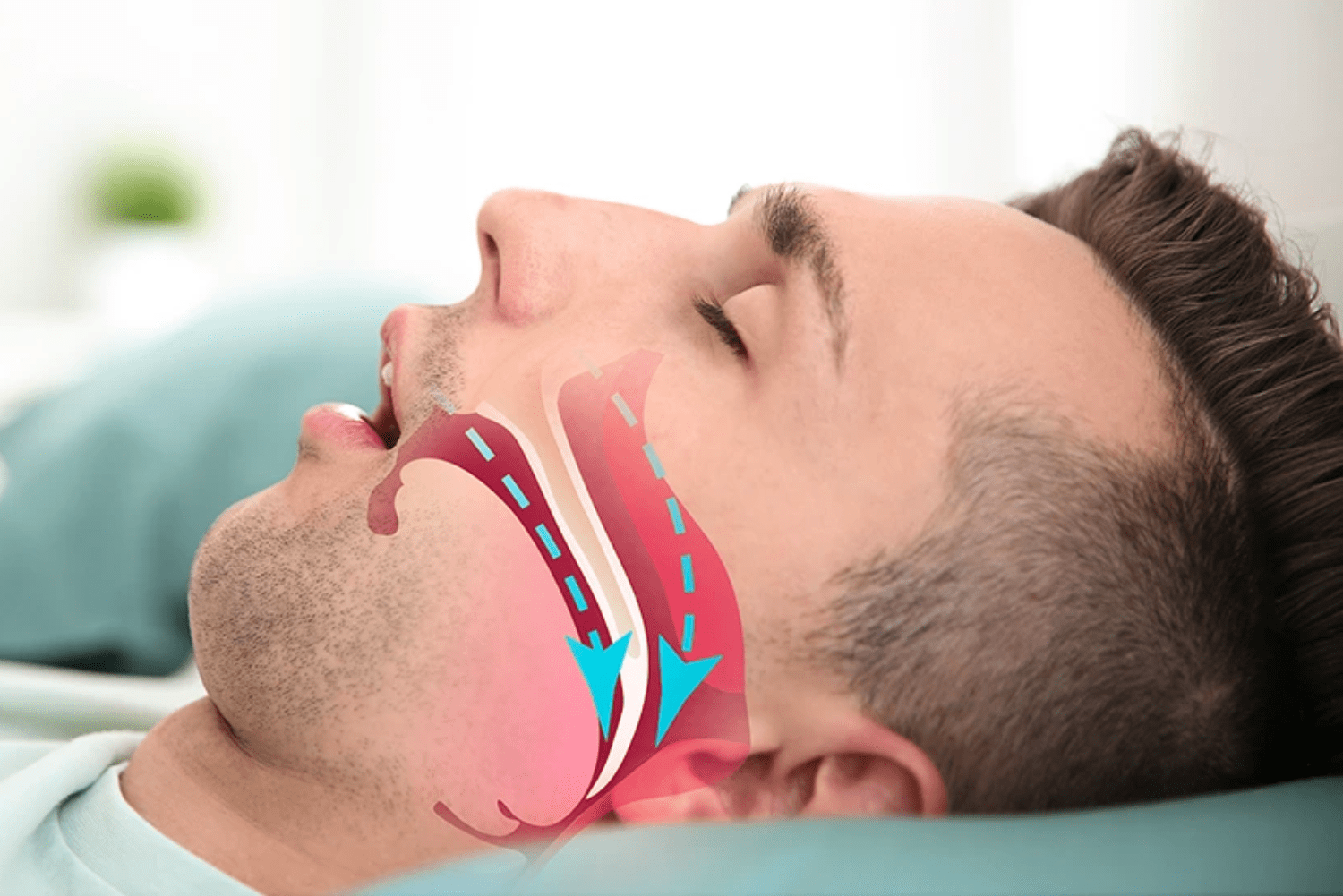
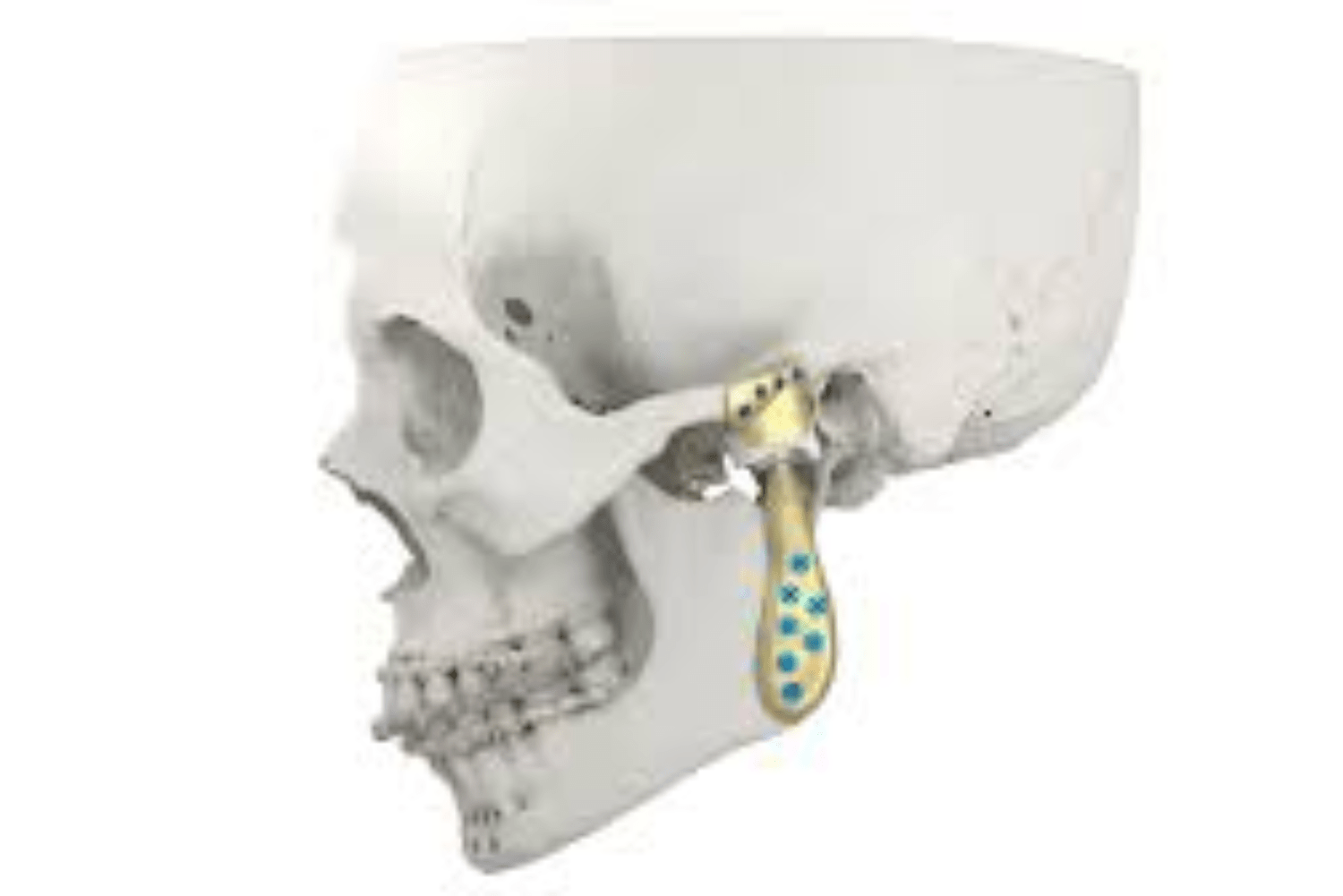
Teeth & Oral Health: Chronic stress leads to bruxism (teeth grinding), TMJ disorders (difficulty in mouth movement), and gum diseases due to increased inflammation. High cortisol weakens the immune system, making gums prone to infections like gingivitis and periodontitis. Stress can also cause dry mouth, increasing the risk of cavities.
How to Manage Stress?
As stress causes a plethora of health issues, it’s essential to focus on stress management. The world has recognized its importance, which is why stress management is now a key subject across psychology, physiology, science, and modern technology.
While an in-depth discussion of stress management is beyond this article, here are some doctor-recommended tips to reduce stress:
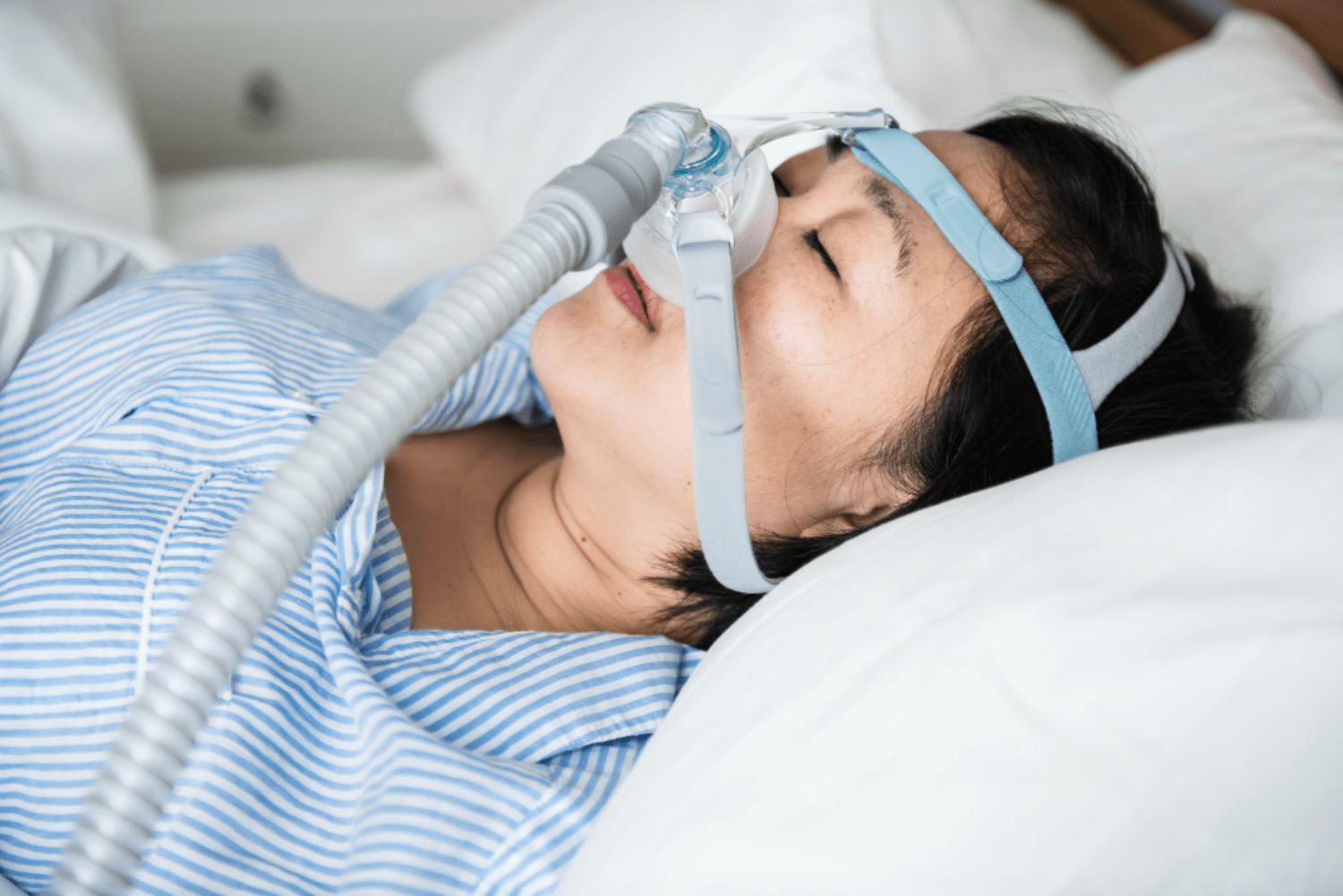
1. Maintain Proper Sleep
One of the biggest contributors to stress is improper sleep. Our body follows a natural sleep-wake cycle (circadian rhythm), which regulates major hormones. Disrupting this rhythm leads to:
-
Poor gut health
-
Low immunity
-
Weight gain
-
Increased stress levels
To improve sleep quality:
-
Avoid screens (mobile, laptop, TV) 1-2 hours before bed
-
Maintain a cool, dark bedroom
-
Avoid caffeine 3-4 hours before bedtime
-
Stick to a fixed sleep schedule—even on weekends
2. Maintain Work-Life Balance
In recent decades, work-life balance has gained importance. Companies have realized that better balance leads to improved mental health, higher productivity, and job satisfaction.
Work-life balance means spending time on hobbies and relationships that bring joy. It could be:
-
Playing a sport
-
Watching movies
-
Painting
-
Playing a musical instrument
Not everything in life should be about work or making money—some things should just make you happy.
3. Exercise Regularly
A 20-minute brisk walk has proven health benefits. Activities like yoga, cardio, stretching, or strength training release dopamine and serotonin, which:
-
Elevate mood
-
Reduce stress
-
Improve long-term mental and physical health
4. Follow a Stress-Reducing Diet
Your diet directly affects stress levels. Foods rich in:
-
Vitamin C
-
Omega fatty acids
-
Antioxidants
-
Magnesium & Zinc
-
Probiotics
…help maintain the gut-brain axis, which regulates stress-related hormones. The gut microbiome even produces serotonin and GABA, which influence mood and anxiety.
Eating balanced meals prevents blood sugar spikes, reducing anxiety and mood swings.
5. Reduce Social Media & Screen Time
Social media promotes doom scrolling, constant comparisons, and dissatisfaction, leading to:
-
Anxiety
-
Anger
-
Depression
-
Weakened cognitive abilities
A social media detox and limiting screen time can significantly improve mental health.
6. Build a Supportive Social Environment
Having a positive home and work environment is key to mental peace and happiness. Support groups (for mental health, addiction, or illnesses) help people:
-
Maintain a positive mindset
-
Develop emotional resilience
7. Practice Stress-Reduction Techniques
Some effective techniques to manage stress include:
-
Meditation
-
Deep breathing exercises
-
Progressive muscle relaxation
-
Cognitive Behavior Therapy (CBT)
-
Journaling & Gratitude Practice
-
Laughter therapy
-
Forest therapy
-
Spending time with pets & children
-
Engaging in religious/spiritual activities
If stress becomes overwhelming, don’t hesitate to seek professional help.
Conclusion
Stress affects your skin, hair, teeth, and overall health. Managing stress requires a holistic approach involving:
✔ Proper sleep
✔ Work-life balance
✔ Regular exercise
✔ A stress-reducing diet
✔ Social media detox
✔ Supportive relationships
✔ Stress-management techniques
If necessary, seek medical advice for professional guidance. Managing stress isn’t just about reducing anxiety—it’s about improving your overall quality of life.