Best Ear Surgery In Bangalore

Best Ear Surgery In Bangalore

Table of Contents

What is Mastoidectomy?
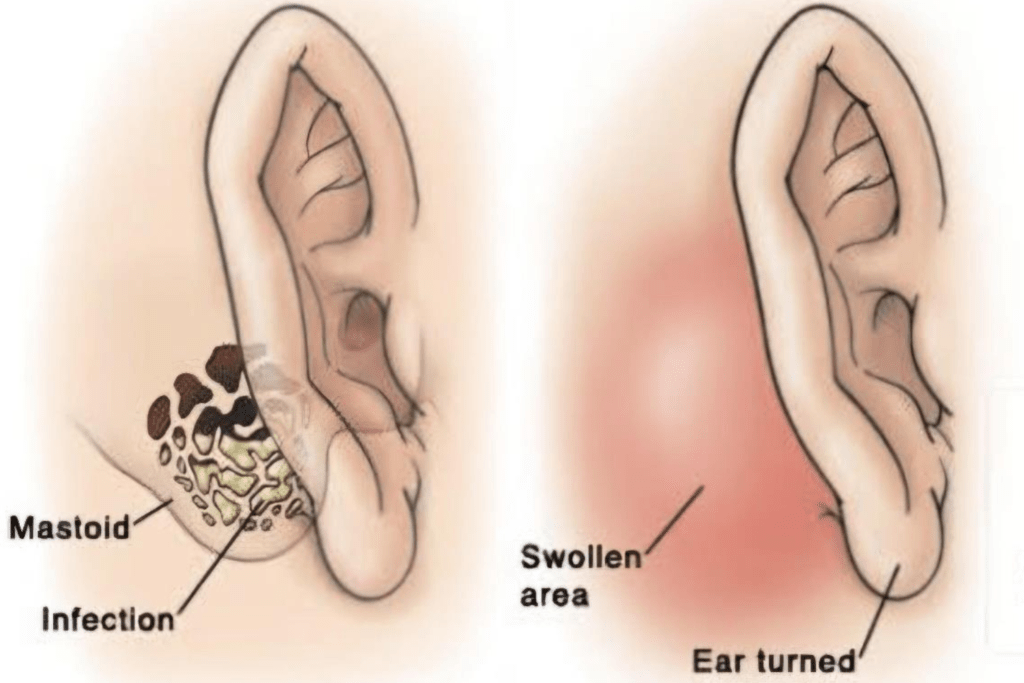
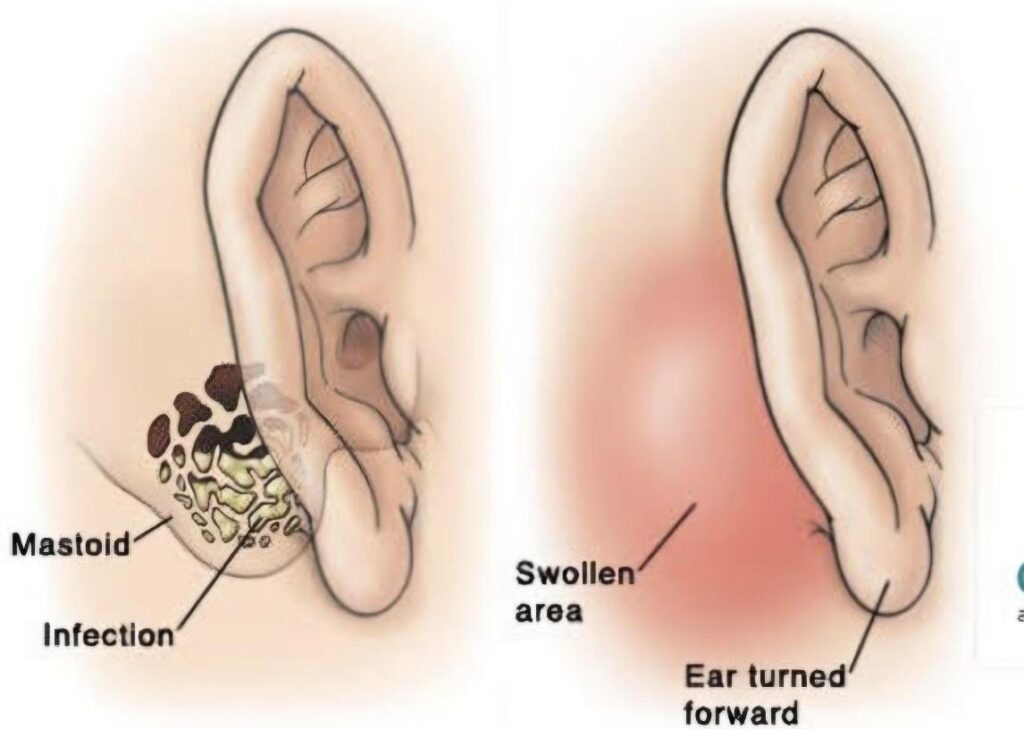
Mastoidectomy is the surgery that involves removal of the diseased part of air-filled spaces in the mastoid bone (the bone that is a part of the skull that lies just behind the ear). Mastoidectomy is one of many approaches to ear surgery, and though it has many indications, it is usually indicated for chronic Otitis Media (chronic infection of the middle ear). For the best ear surgery in Bangalore, visit Richardsons.
0

What is the rationale behind a Mastoidectomy?
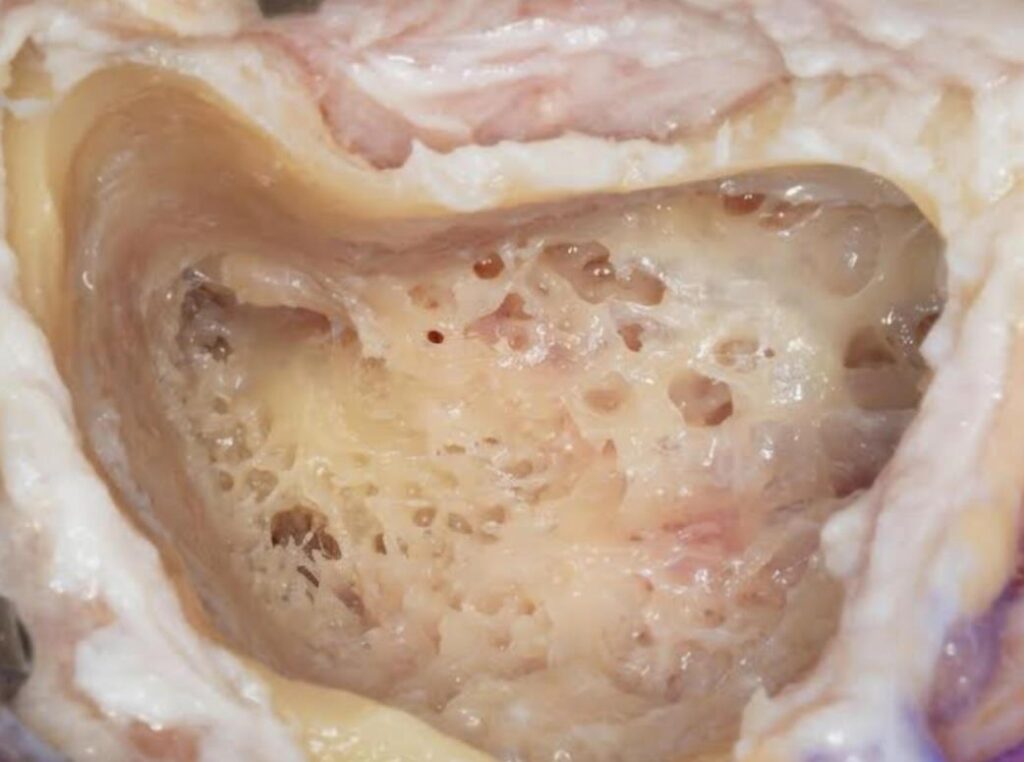
When you are diagnosed with Chronic Suppurative Otitis Media, it results in infection of the air cells in the mastoid (the closed, tight, honeycomb-like architecture of the mastoid bone) which causes suppuration and needs to be extirpated completely.

What are the advantages of mastoid surgery?
Mastoid surgery is aimed at halting the disease progression and providing a complete and permanent cure. It can alleviate the symptoms and prevent complications.

The symptoms of complications include:

  • Hearing loss
  • Giddiness
  • Facial nerve damage; facial asymmetry
  • Extension of disease to the inner ear
  • Meningitis and intracranial spread

For the Best Ear Surgery in Bangalore, Consult Richardsons.
1

Is the surgery done under general or local anesthesia?
The surgery can be performed under both local anesthesia with nerve blocks around the ear or general anesthesia with oral intubation. The brief steps involved include:

  • Creating an incision behind the ear
  • Opening the mastoid bone using specialized instruments and a drill
  • Elimination of disease foci and exenteration of the mastoid air cells
  • Closure of the wound
  • Mastoid dressing (a type of compressed ear dressing)
How serious is Mastoidectomy surgery?
The extent and invasiveness of surgery depend on the disease progression. However, in most cases, Mastoidectomy is a relatively simple surgery performed under either general or local anesthesia.
2

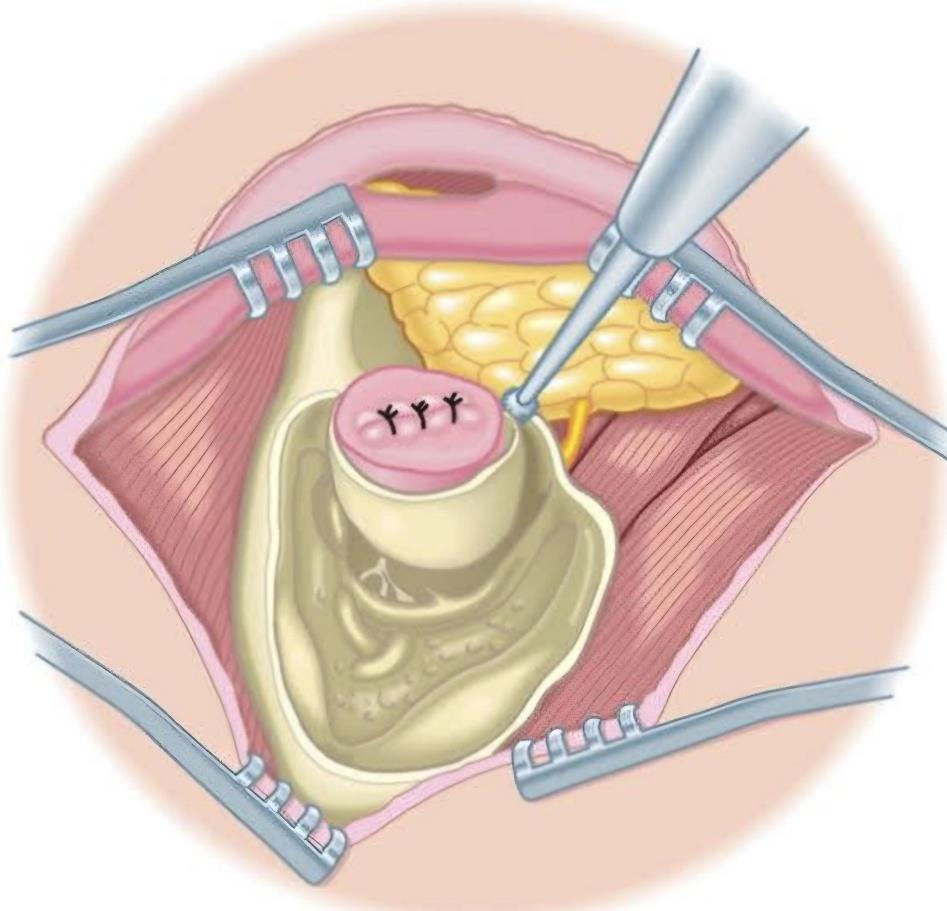
The types of mastoidectomies include:

  • Simple Cortical Mastoidectomy: Involves removal of only the diseased air cells, while the ear ossicles (small bones in the ear: malleus, incus, stapes) are left untouched.
  • Canal Wall Up Mastoidectomy: Slightly more invasive than simple cortical mastoidectomy, it involves more drilling to access the ear ossicles without manipulating the ear canal.
  • Canal Wall Down Mastoidectomy: More invasive than the Canal Wall Up Mastoidectomy, with the goal of providing a disease-free, non-discharging ear. All the diseased air cells are exenterated, and the bone is converted into a single cavity with an enlarged ear canal for easier cleaning of the cavity.

Although there are different types of mastoid surgery, the approach and incision are generally the same in all types of mastoidectomies. For the best ear surgery in Bangalore, consult Richardsons.

What is the type of incision? Will it be visible?
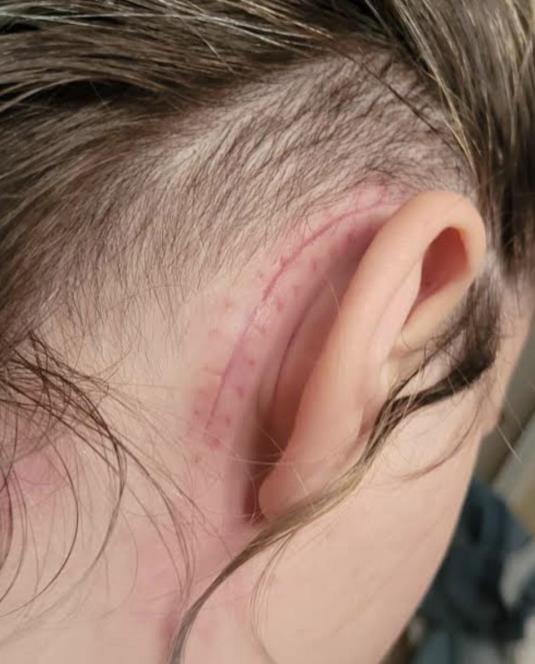
Mastoidectomy incisions, irrespective of the type, are usually post-aural (behind the ear) and typically leave a scar that is not easily visible. Most patients have the incision along or just away from the ear crease, ensuring minimal visibility after healing. For the best ear surgery in Bangalore, consult Richardsons.
3

Is the surgery painful?

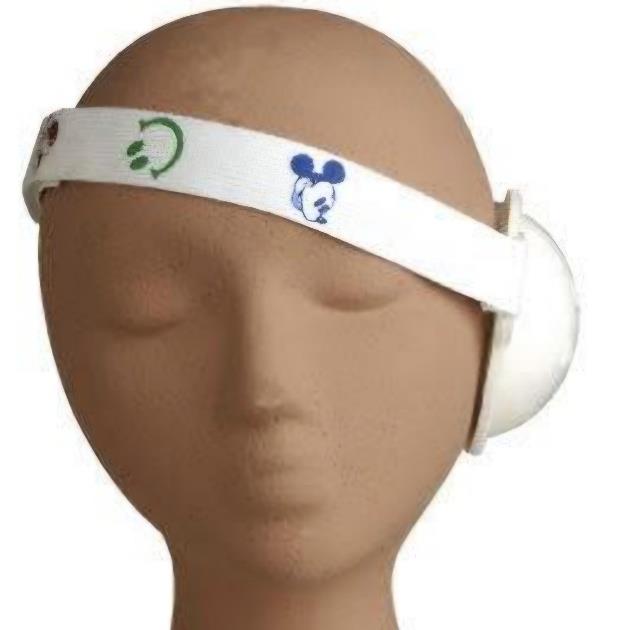
There is usually minimal to no pain after a mastoidectomy surgery. However, some discomfort or soreness may be experienced post-procedure. The ear dressing applied after the surgery can cause a feeling of fullness and temporarily affect hearing. Painkillers and antibiotics will be prescribed, and you may need to use them for a week following the surgery. The mastoid dressing will typically remain in place for 3-5 days. For the best ear surgery in Bangalore, visit Richardsons..
4

What are the postoperative care/advice to be followed?

  • Avoid strenuous work after surgery for at least a week
  • Avoid head bath for a month and a half
  • Avoid using ear buds in the operated ear
  • Avoid blowing your nose
  • Avoid exposure to loud sounds
  • Take the complete course of prescribed drugs post-surgery
    The recovery is expected to be anywhere between 6 to 12 weeks. However, you can resume your routine activities, work, and school after a week. For the best ear surgery in Bangalore, choose Richardsons for expert care.

Leave a Reply

Your email address will not be published. Required fields are marked *

Table of Contents

Recent Blogs

Snoring

Snoring Can Be Dangerous

Obstructive Sleep Apnea (OSA) is a common sleep disorder where breathing repeatedly stops and starts during sleep. It’s not just heavy snoring; it’s a serious

Temporomandibular Joint

Temporomandibular Joint plays a crucial role in our day-to-day life. It helps us in performing various functions like eating, chewing, talking, yawning, and many more.

Temporomandibular Joint (TMJ) Disorders

Disorders of the Temporomandibular Joint (TMJ) can cause severe pain and discomfort, making it difficult to eat, speak, or even sleep. As a set of
Orthognathic surgery

Orthognathic Surgery

Orthognathic surgery, also known as jaw surgery, is a procedure that corrects a variety of issues related to the bones of the face and jaws.

Temporomandibular Joint (TMJ) Ankylosis

Temporomandibular Joint (TMJ) ankylosis is a serious disorder characterized by restricted jaw movement, pain, and frequently noticeable facial asymmetry. It is caused by aberrant bone

Maxillomandibular Advancement For Obstructive Sleep Apnea

The most effective treatment for obstructive sleep apnea (OSA) is continuous positive airway pressure (CPAP). But more than 50% of people cannot handle this procedure

Diagnosis Of Obstructive Sleep Apnea And Polysomnography

What is Obstructive Sleep Apnea? Obstructive sleep apnea occurs when the airway partially or completely collapses repeatedly throughout the night. This results in breathlessness, causing the

Sleep Apnea.

Surgical Therapy For Obstructive Sleep Apnea

Obstructive sleep apnea (OSA) is a problem in which breathing stops for a brief period during sleep that occurs due to narrowing or blocking of

Temporomandibular joint

Temporomandibular Joint

Temporomandibular joint (TMJ) implants are intended to be surgically implanted in the jaw to replace the temporomandibular joint. A variety of artificial materials have been
Hearing Aids Treatment

Hearing Aids Treatment

Hearing Aids Treatment: What Is A Stapedotomy? It is the surgery that treats hearing loss or hearing impairment by removing a dysfunctional small piece of

Voice Feminization Surgery

Voice Feminization Surgery

Amongst the many gender affirmation surgeries, Voice Feminization Surgery is one which is done to make the voice more feminine. It is performed to raise