For all those individuals seeking a vibrant, radiant, glowing, luminious and flawless skin that is devoid of pigmentation and bumps over them, here is an ultimate guide on pigmentation, its causes, preventation and its correction for radiant and glowing skin!
Have we all ever wondered why celebrities have such clear and flawless skin? Yes, at many times right! Daring complexion, dazzling skin and impeccable texture! They have beautiful , glowing skin that has become the standard to which we all aspire. In turn, it takes a hell load of work to achieve these results and to maintain skin tone despite fluctuations being happening!
But before we talk about the details of treatments for flawless skin and prevention strategies for hyperpigmentation, lets start by decoding what hyperpigmentation is all about.
What Is Hyper-Pigmentation?
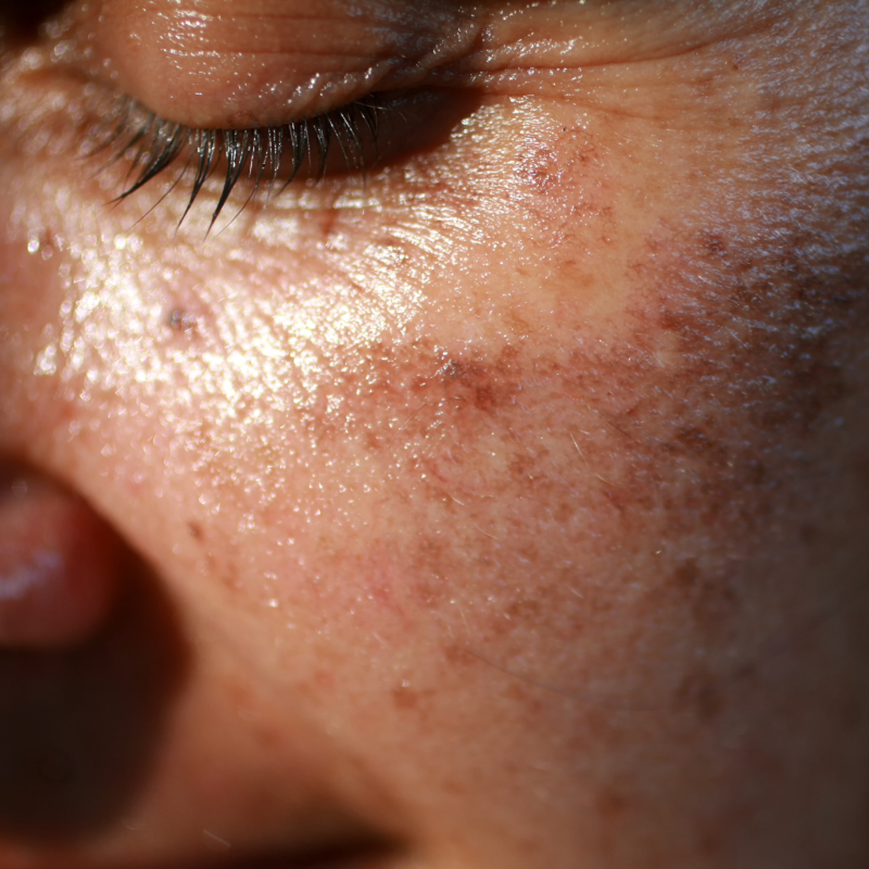
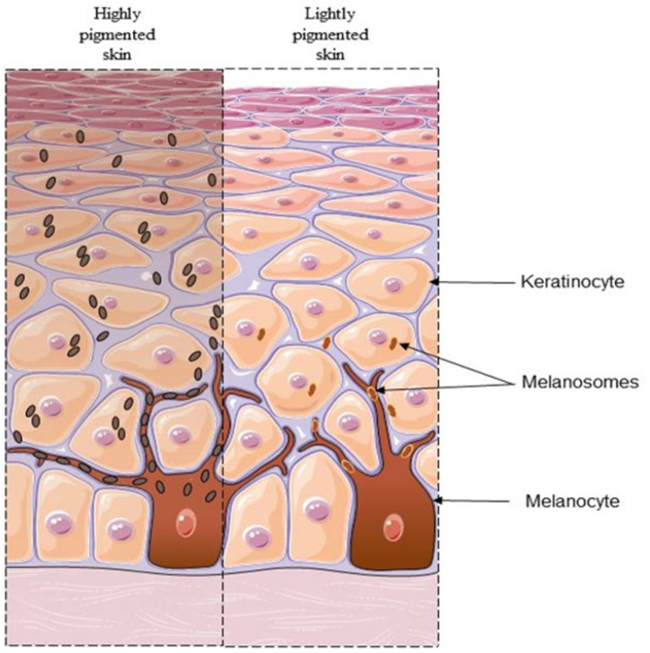
Hyper-Pigmentation is a common skin condition that happens when some parts of the skin get darker than the skin around it. This happens cause of a pigment called melanin. The melanin is found scattered throughout the stratum basale of the epidermis. This pigment is transferred into the keratinocyte via cellular vesicle called Melanosomes.
Melanin is scattered throughout our skin and its duty is to protect skin from the sun. Our skin produces melanin to protect our skin from harmful uv rays when our skin gets exposed to sun or gets damaged or triggered by other factors. However, sometimes the melanocytes can become overactive or damaged, leading to an uneven distribution of melanin. These uneven distribution is referred to as Pigmentation.
Hyperpigmentation can be categorized as below
Sunspots
Sunspots also called SOLAR LENTIGINES are dark spots that show up on the skin where there is too muchexposure to the sun like on the face, hands and arms.
Melasma
Melasma is a type of hyperpigmentation that usually happens in patches on the face. It is more common in women. And it is often linked to changes in hormones like pregnancy and other hormonal fluctuations
Post-Inflammatory Hyperpigmentation
Post-Inflammatory Hyperpigmentation happens when the skin gets injured or inflamed, like with acne, cuts or burns. As the skin heals ,the area that was affected becomes darker.
Freckles
Freckles are often genetic.They are small concentrated areas of increased melanin production.
Age Spots
Age Spots also known as LIVER SPOTS are similar to sunspots and people get them often as they get older. They are usually caused by being in the sun, for a time.
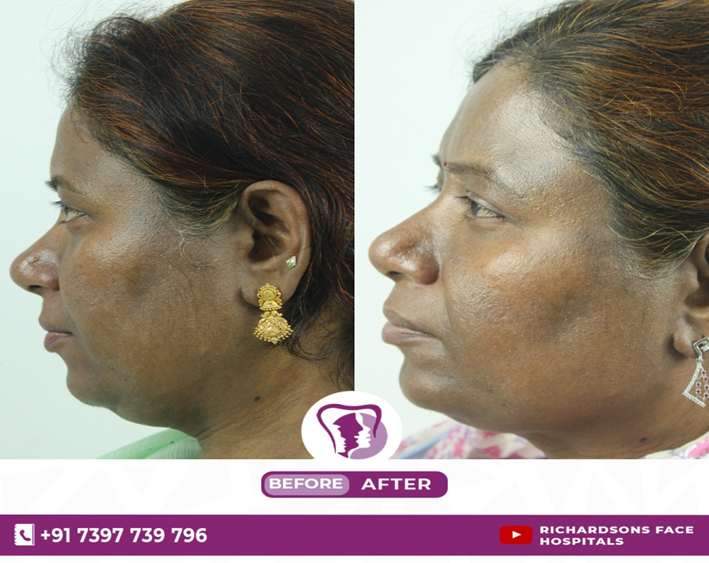
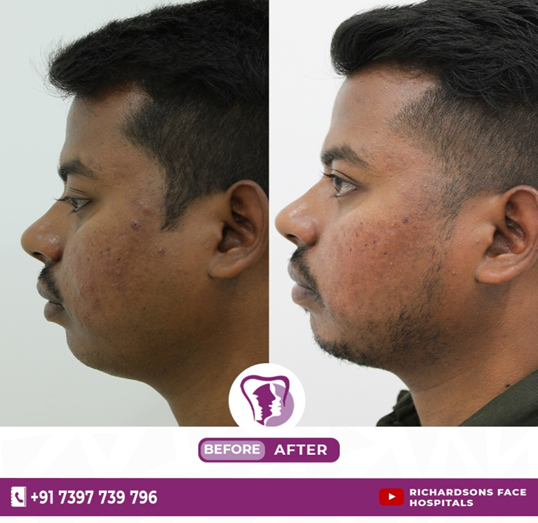
Causes of Pigmentation
Now lets talk briefly the most common factors that tigger pigmentation and yields to hyperpigmentation.
UV exposure
The radiation from sun increases the melanin production as protective mechanism which over time leads to sunspots,freckles,unevenskintone .
Hormonal Changes
Hormonal fluctuations during pregnancy or hormonal therapy increases melaninproduction
Genetics
Some individuals are predisposed to hyperpigmentation because of their genetic makeup.
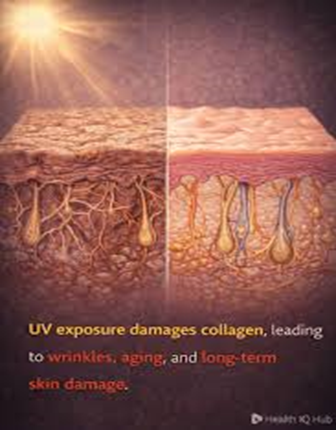
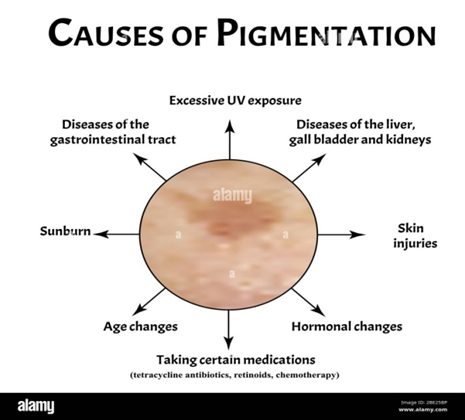
How to prevent hyperpigmentation?
Preventing hyperpigmentation involves taking steps to protect your skin from factors that can trigger or worsen it.
Here Are Some Strategies to Help You Prevent Hyperpigmentation:
1. Sun Protection
Sun exposure causes hyperpigmentation. Wear sunscreen with least SPF 30 every day even on cloudy days. Reapply every two hours when you’re outside or after swimming or sweating. Wear clothing like hats and sunglasses.
2. Avoid Tanning
Tanning beds and sunbathing make hyperpigmentation worse.
3. Be Gentle with Your Skin
Scrubbing hard or using skincare products can irritate your skin and cause hyperpigmentation. Use a cleanser and avoid hot water on your face. Be gentle when applying skincare products and use your fingertips. Don’t pick at acne or blemishes.
4. Manage Hormonal Changes
If you have melasma talk to a dermatologist about managing hormones especially if you’re pregnant or considering birth control that may make melasma worse.
5. Protect Your Skin During Healing
After treatments like chemical peels or laser follow your dermatologists instructions carefully. This means avoiding sun exposure and using recommended skincare products.
6. Use Skin-Lightening Products
Dermatologists can suggest products with ingredients like hydroquinone, retinoids or alpha hydroxy acids. These can help fade hyperpigmentation and prevent spots.
7. Stay Hydrated
Drinking water keeps your skin healthy. It helps your skin stay supple and heal naturally.
8. Eat a Balanced Diet
A diet with antioxidants, vitamins and minerals promotes skin. Eat fruits, vegetables and foods with fatty acids.
9. Manage Stress
High stress levels can make skin conditions worse. Try stress-reduction techniques, like meditation, yoga or deep breathing exercises.
Treatments for Skin Whitening/Pigmentation
Best Treatments for Hyperpigmentation
Based on the type and severity of hyperpigmentation, type of treatment can be opted. Here are some of the best treatments commonly recommended to treat hyperpigmentation.

1. Skin-Lightening Agents
Hydroquinone
You can buy Hydroquinone in different strengths and you usually need a prescription for it. You should only use Hydroquinone after you talk to your dermatologist.
Retinoids
Topical retinoids, such, as tretinoin can help your skin by making skin cells and fading dark spots over time. Topical retinoids can also make your skin texture and tone better. You should never start using retinoids without talking to your dermatologist
Alpha Hydroxy Acids
Alpha Hydroxy Acids like glycolic acid and acid can help remove dead skin fade dark spots and make your skin texture better. Like skin treatments you should start using Alpha Hydroxy Acids after your dermatologist tells you to.
2. Chemical Peels
Chemical peels are a way to make the skin look better by getting rid of the layers. This helps to reduce the appearance of skin areas that’re too dark. Chemical peels are a solution that has acids like alpha hydroxy acids or beta hydroxy acids in them.
These acids break down the skin cells that are stuck together on the outside of the skin. This is called exfoliating the skin or peeling the skin. When the top layer of skin is gone the body starts to make new skin cells to replace the ones. This is how the skin gets to be healthy
You should know that there are kinds of chemical peels. The kind of chemical peel that is used and how strong it is depends on the type of skin you have and how bad the dark skin areas are. Your dermatologist will help you figure this out. After you get a chemical peel you have to take care of your skin and stay out of the sun so the results last and the dark skin areas do not come back. Chemical peels are a part of keeping your skin looking good and that is why chemical peels are used to help with skin problems, like hyperpigmentation. Chemical peels can really help to improve the skin. That is why people use chemical peels.
3. Microdermabrasion
Microdermabrasion is a non-invasive treatment that helps improve skin appearance.This treatment uses a device to gently remove dead and damaged skin cells from the top layer of skin.
4. Laser Therapy
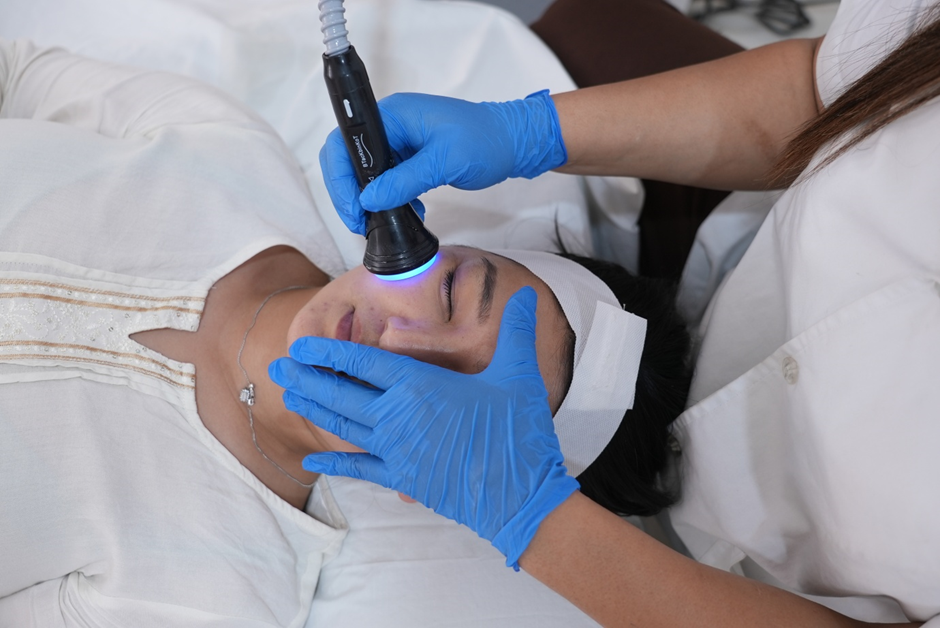
Laser devices can target and break down melanin in hyperpigmented areas. They are often used for conditions like sunspots and melasma. This non-ablative treatment doesn’t remove or damage the superficial layers of the skin but causes controlled injury in the dermis which is the layer of skin that lies beneath the epidermis. The energy produced by the laser heats up the dermis and stimulates a skin repair response which causes collagen regeneration.
Photofacials
Also known as IPL(Intensed pulse light) is a noninvasive skin lightening treatment in which short waves of high intensity laser beams are used to treat various skin concerns. It majorly works on principle of breaking of the melanin pigment or works on the tissues of the skin through healing mechanism. It promotes collagen synthesis thereby effectively helps in skin lightening
Q-Switch Lasers
It’s a specialised laser device which uses short pulses of high intensity beams.This light energy/beam when targeted in the skin, the pigments absorb these energies and breaks down which is later naturally disposed by the body (lymphatic drainage)
- Reduces hyperpigmentation, melasma spots as q switch lasers are much effective in targeted lesions
- Safe,noninvasive and novel treatment with visible reuction in melanin synthesis
5. Microneedling
Microneedling helps with hyperpigmentation. It works differently for each person. It also helps to make skin look healthier. Is sometimes called collagen induction therapy.
- A special device with needles makes small holes in the skin.
- This makes the skin start to heal itself.
- The skin then makes collagen and elastin which are important for healthy skin.
Microneedling can help with types of hyperpigmentation such as:
- Dark spots from acne or injury
- Sunspots
- Melasma
Some people see improvements after a few microneedling sessions for hyperpigmentation.
Others may need treatments to get the same results.
The results depend on the type and severity of hyperpigmentation well as individual factors.
Microneedling and hyperpigmentation treatment can be effective. It is not a one-size-fits-all solution.
Hyperpigmentation and microneedling can be a combination, for some people.
Glutathione IV Drips
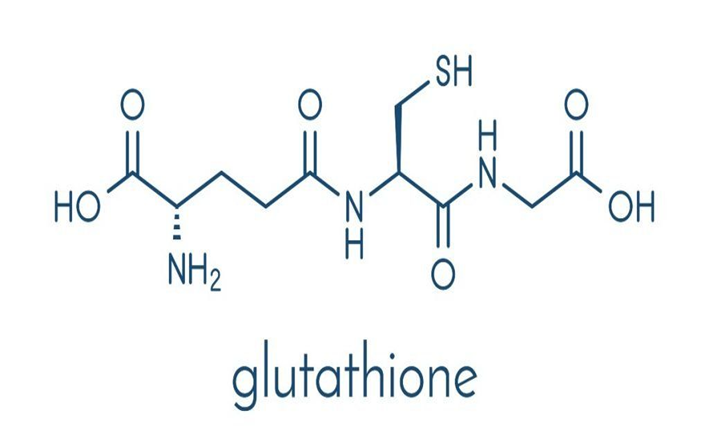
Gluathione ,as everyone knows is a powerful antioxidant that is naturally present in human body.Its antimelonogenic properties has given a great impact as a potent skin lightening agent in cosmetic industry. It is composed of three amino acids – cysteine,glutamic acid and glycine. Gluatathione also plays a crucial role in boosting immune system,maintain the balance of chemicals in cells,iron metabolism and several key functions.
Three Key Factors
- Neutralizes free radicals
- Reduces Hyperpigmentation
- Improves overall skin health aiding to skin lightening and skin brightening.
Conclusion
These above mentioned treatments and sugesstions can help reduce the appearance of hyperpigmentation, improve skin texture, and promote collagen production.
Keep in mind and be aware that the results of any treatment may vary depending on the individual and the specific type of hyperpigmentation. Treatment plans are often tailored to the patient’s needs and may involve a combination of these treatments for the best results. Additionally, it’s essential to follow post-treatment care instructions and use sun protection to maintain the results and prevent the recurrence of hyperpigmentation.
At RICHARDSONS FACE HOSPITAL, we recommend treatment plans tailored to your specific needs. Visit us at our hospital or avail your consultation today to restore your glow.